Sustainable Travel Guide: Small Changes for a Big Impact in 2026
The golden era of “bucket list” checking is evolving into something deeper. In 2026, the global travel narrative has shifted from mere consumption to intentional preservation. As travelers, we are no longer just visitors; we are stakeholders in the survival of the world’s most breathtaking destinations. With climate awareness at an all-time high, the modern explorer is asking a vital question: How can I see the world without leaving a scar upon it?
Article summary
- The Evolution of Eco-Conscious Exploration in 2026
- How Can I Reduce My Carbon Footprint While Traveling?
- Small Changes, Big Impact: The Sustainable Packing List
- Supporting Local Economies: Beyond the Tourist Traps
- Is sustainable travel more expensive?
- What is “Greenwashing” in tourism?
- Does carbon offsetting actually work?
- The Power of the Conscious Choice
Sustainable travel isn’t about sacrifice; it’s about quality over quantity. It’s about choosing the scenic train route over a cramped budget flight and supporting the artisan whose family has lived in a village for generations. This guide explores how small, actionable changes can lead to a massive collective impact on your next journey.
The Evolution of Eco-Conscious Exploration in 2026
The travel landscape of 2026 is defined by transparency and accountability. Major booking platforms now integrate carbon footprint data directly into search results, and “Green Tier” certifications for hotels have become as standard as star ratings. Governments are also stepping in, with many European cities implementing visitor caps to prevent over-tourism and protect local infrastructure.
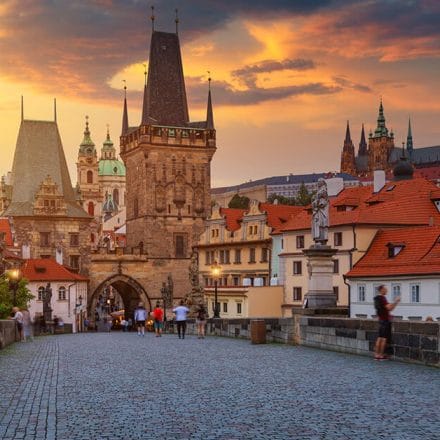
Being a conscious traveler today means understanding that your presence has a ripple effect. According to the UN World Tourism Organization, sustainable tourism should make optimal use of environmental resources while respecting the socio-cultural authenticity of host communities. In 2026, we are finally seeing these principles move from academic papers to the actual streets of Rome, Kyoto, and Machu Picchu.
How Can I Reduce My Carbon Footprint While Traveling?
Transportation remains the largest contributor to a traveler’s carbon footprint. However, the “Slow Travel” movement has turned the journey itself into a highlight. Here is how to navigate the world more responsibly:
- Embrace the Rails: High-speed rail networks across Asia and Europe have become the preferred alternative to short-haul flights. Choosing a train over a plane can reduce your CO2 emissions by up to 80% per journey.
- Fly “Lighter” and Smarter: If you must fly, choose direct flights to minimize takeoff and landing emissions. Modern aircraft, such as the Airbus A321neo or Boeing 787 Dreamliner, are significantly more fuel-efficient. Always check for airlines utilizing Sustainable Aviation Fuel (SAF).
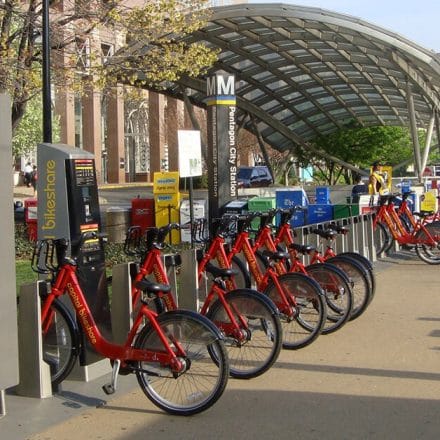
- Human-Powered Transit: Once you arrive, use Google Maps to find bike-sharing hubs or walking routes. Exploring a city at 5 km/h allows you to discover hidden gems you’d never see from a taxi window.
Small Changes, Big Impact: The Sustainable Packing List
Sustainability starts before you even leave your house. Your suitcase is your first opportunity to make a difference. Avoid single-use plastics at all costs, as many island destinations have now banned them entirely.
- Solid Toiletries: Swap bottled shampoo and toothpaste for solid bars. They last longer, save space, and eliminate plastic waste.
- The “Forever” Bottle: Carry a high-quality insulated water bottle with a built-in filter. This is essential for regions where tap water isn’t traditionally potable.
- Eco-Friendly Fabrics: Pack clothes made from biodegradable fibers like hemp or organic cotton, which require less water to produce and don’t shed microplastics in the wash.
Supporting Local Economies: Beyond the Tourist Traps
True sustainability includes economic justice. In 2026, “leakage”—where tourism money leaves the local community and goes to international corporations—is a major concern. To combat this, aim to keep your currency in the hands of the locals.

Instead of staying at a global hotel chain, look for locally-owned boutique stays or eco-lodges. When dining, skip the “tourist menus” in favor of farm-to-table eateries. Not only is the food fresher, but you are also supporting local agriculture. For authentic experiences, check the UNESCO World Heritage site list to find locations that prioritize cultural preservation over mass commercialization.
Is sustainable travel more expensive?
While some eco-certified resorts carry a premium, sustainable travel is often more affordable. Eating at local markets, using public transportation, and staying in homestays are significantly cheaper than luxury cruise ships or international hotel chains. It is about reallocating your budget to things that matter.
What is “Greenwashing” in tourism?
Greenwashing occurs when a company spends more time and money marketing itself as environmentally friendly than on actually minimizing its environmental impact. To avoid this, look for third-party certifications like EarthCheck or Global Sustainable Tourism Council (GSTC) labels rather than just taking a “green” slogan at face value.
Does carbon offsetting actually work?
Carbon offsetting is a tool, not a cure. While it’s better to offset than not, it should be the last resort. Focus first on reducing your emissions. If you do offset, choose “Gold Standard” projects that invest in renewable energy or reforestation with long-term monitoring.
The Power of the Conscious Choice
The shift toward sustainable travel in 2026 isn’t a fleeting trend; it is a necessary evolution. Every time you choose a reusable bag over plastic, a train over a plane, or a local guide over a massive tour bus, you are casting a vote for the kind of world you want to inhabit. The “big impact” we seek isn’t found in a single grand gesture, but in the cumulative power of millions of small, thoughtful decisions made by travelers like you.
Pro Tip: Before your next trip, research “Off-the-Beaten-Path” destinations. By visiting lesser-known areas (secondary cities), you help alleviate the pressure on over-crowded hubs and spread the economic benefits of tourism to communities that truly need it.