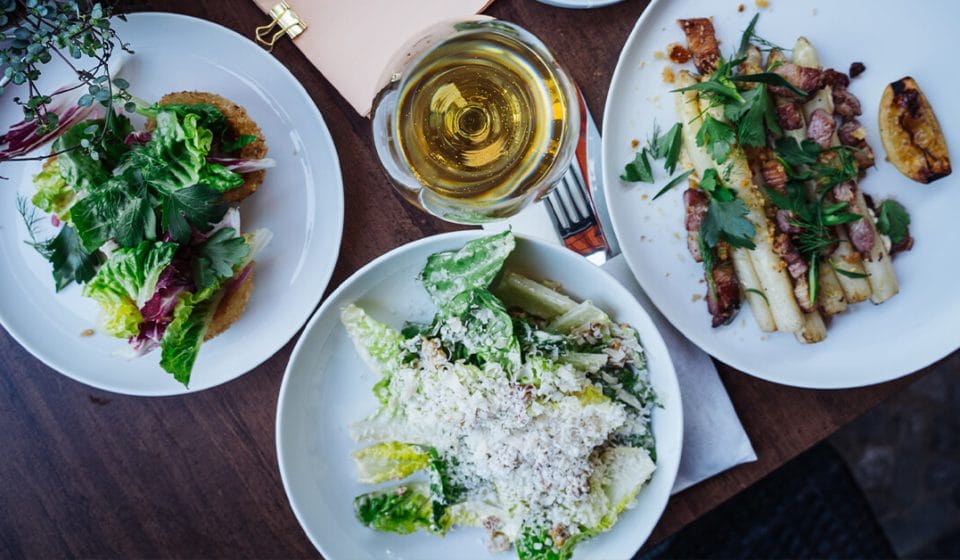
The rise of plant based fine dining in the heart of Berlin
Berlin has always been a city of reinvention, a place where concrete history meets avant-garde rebellion. But in 2026, the most radical transformation isn’t happening in its techno clubs or street art galleries—it’s happening on the white tablecloths of its most exclusive establishments. Long known as the vegan capital of Europe, Berlin has transcended its reputation for currywurst and late-night falafel to become the global epicenter of sustainable luxury gastronomy. For the discerning traveler, a trip to the German capital is no longer complete without experiencing the sophisticated, plant-forward alchemy that has captured the attention of the Michelin Guide and food critics worldwide.
Article summary
- Berlin’s Culinary Revolution: From Vegan Street Food to Michelin Stars
- Iconic Michelin-Starred Restaurants Leading the Green Wave
- The Art of Seasonality: Sourcing from Brandenburg’s Organic Farms
- Innovation in the Kitchen: Fermentation and Plant-Based Techniques
- Sustainable Luxury Beyond the Plate: Eco-Conscious Dining Rooms
- Which Berlin restaurant has a Michelin Green Star?
- Is Berlin the best city for vegans in Europe?
- How much does a plant-based tasting menu cost in Berlin?
- How to Book Your Table at Berlin’s Most Coveted Green Spots
Berlin’s Culinary Revolution: From Vegan Street Food to Michelin Stars
The journey of Berlin’s food scene is a testament to the city’s progressive DNA. A decade ago, “vegan” in Berlin meant a hearty seitan burger in Friedrichshain or a bio-market snack in Prenzlauer Berg. Today, that grassroots energy has climbed the culinary ladder, shedding its casual skin for something far more refined. The transition from vegan street food to Michelin-starred excellence was fueled by a unique confluence of environmental consciousness and artistic culinary ambition.
Chefs in the city began to view the absence of animal protein not as a restriction, but as a creative liberation. This shift has turned Berlin into a magnet for international foodies who seek “conscious indulgence.” According to Visit Berlin, the city’s official tourism portal, the surge in high-end vegetarian and vegan options has redefined the city’s brand, making it a primary destination for sustainable travel in Europe.
Iconic Michelin-Starred Restaurants Leading the Green Wave
When discussing the pinnacle of this movement, two names resonate with particular authority: Cookies Cream and Nobelhart & Schmutzig. These establishments haven’t just adapted to the plant-based trend; they pioneered the philosophy that a vegetable can be just as complex, savory, and prestigious as a prime cut of Wagyu.
- Cookies Cream: Hidden behind a nondescript industrial door, this legendary spot was the first vegetarian restaurant in Berlin to receive a Michelin star. Their legendary Parmesan dumplings with perigord truffle remains a masterclass in vegetarian decadence.
- Nobelhart & Schmutzig: Holding a Michelin star and a high ranking on the World’s 50 Best Restaurants list, this “vocally local” eatery operates under a strict “Brutal Local” philosophy. While not strictly vegan, their plant-forward approach and rejection of non-regional ingredients (like pepper or lemons) have set the gold standard for sustainable fine dining.
You can locate these culinary landmarks and plan your route via Google Maps to explore the vibrant neighborhoods surrounding them.

The Art of Seasonality: Sourcing from Brandenburg’s Organic Farms
The secret ingredient in Berlin’s fine dining success isn’t found in a spice jar; it’s found in the soil of the surrounding Brandenburg region. The “farm-to-table” concept has evolved into a deep, symbiotic partnership between Michelin-starred chefs and small-scale organic farmers. By bypassing global supply chains, Berlin’s kitchens are reviving forgotten heirloom vegetables and rare botanical varieties that don’t survive long-distance transport.
Menus are now dictated by the micro-seasons. In the spring, you’ll find wild garlic and white asparagus from Beelitz; in autumn, the focus shifts to earthy root vegetables and forest-foraged mushrooms. This radical transparency ensures that every plate tells a story of the local terroir, supporting biodiversity and reducing the carbon footprint of every meal served.
Innovation in the Kitchen: Fermentation and Plant-Based Techniques
To replace the “umami” punch of meat, Berlin’s chefs have turned to the laboratory as much as the garden. In 2026, the city’s kitchens are hubs of scientific innovation, utilizing techniques that transform simple legumes and tubers into gastronomic wonders. Artisanal fermentation is the heartbeat of this innovation—using koji, miso, and house-made kombuchas to add layers of depth and acidity.
Key techniques currently dominating the scene include:
- Vegetable Aging: Beets and carrots are “cured” or hung in humidity-controlled rooms to concentrate sugars and create meat-like textures.
- Dehydration and Rehydration: Intensive processes that turn mushroom essences into powerful, savory “jus.”
- Lacto-fermentation: Preserving the peak of summer harvests to provide bright, complex flavors during the cold German winters.
Sustainable Luxury Beyond the Plate: Eco-Conscious Dining Rooms
Fine dining in Berlin is a holistic experience where sustainability meets aesthetics. The concept of “green” extends far beyond the ingredients. Leading restaurants are now designed with upcycled materials, carbon-neutral lighting, and zero-waste kitchen protocols. Even the beverage programs have shifted; you won’t find generic wine lists here. Instead, sommelier-curated selections focus on biodynamic wines and sophisticated non-alcoholic pairings made from fermented fruits and herbs.
This commitment to the planet is often validated by the Michelin Green Star, an award specifically for restaurants at the forefront of sustainable practices. You can learn more about these criteria at the Official Michelin Guide website.
Which Berlin restaurant has a Michelin Green Star?
Several Berlin restaurants hold the Michelin Green Star, including Rutz (which also holds three traditional stars) and Nobelhart & Schmutzig, recognized for their exceptional commitment to local sourcing and waste reduction.
Is Berlin the best city for vegans in Europe?
Yes, Berlin is consistently ranked as one of the most vegan-friendly cities in the world due to its high density of plant-based restaurants, ranging from affordable kiosks to Michelin-starred fine dining establishments.
How much does a plant-based tasting menu cost in Berlin?
A high-end plant-based tasting menu typically ranges from €120 to €250 per person, depending on the number of courses and wine pairings. However, many spots offer shorter “lunch menus” that are more accessible.
How to Book Your Table at Berlin’s Most Coveted Green Spots
Securing a seat at the table of a culinary revolution requires a bit of strategy. Because these restaurants often have limited seating and immense global demand, booking 2-3 months in advance is highly recommended. Most establishments use online platforms like Resy or SevenRooms, which open slots at midnight local time.
Pro Tip: If you are a beginner to fine dining, look for “Introductory Tasting Menus” usually offered mid-week. These provide a curated 4-5 course experience at a lower price point than the full 10-course evening marathon, allowing you to sample the innovation without the four-hour time commitment.
Berlin’s plant-based fine dining scene is more than a trend; it is a blueprint for the future of global gastronomy. By proving that luxury and sustainability are not mutually exclusive, the city’s chefs are inviting us to a table where every bite is a conscious choice. Our advice? Don’t just go for the food—ask the staff about their farmers. The stories behind the ingredients are often as rich as the flavors themselves.