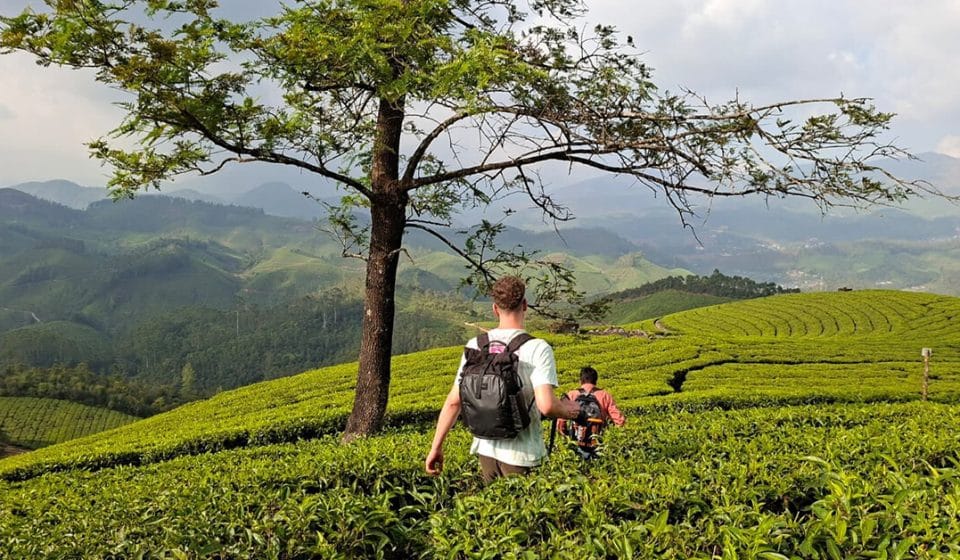
Trekking through the lush tea plantations of the Munnar hills in India
Imagine waking up to a world draped in emerald velvet, where the morning mist clings to rolling ridges and the air carries the faint, crisp aroma of crushed tea leaves. This is Munnar, a high-altitude sanctuary in India’s “God’s Own Country,” Kerala. Long celebrated for its colonial charm, Munnar has transformed in 2026 into a global beacon for eco-friendly trekking and mindful exploration. Beyond the postcard-perfect vistas lies a complex ecosystem where biodiversity meets sustainable heritage, offering travelers a chance to reconnect with nature without leaving a heavy footprint.
Article summary
- The Green Heart of Kerala: Why Munnar is 2026’s Eco-Capital
- Top Trekking Trails: From Lakshmi Hills to Meesapulimala Peak
- Spotting the Rare Nilgiri Tahr at Eravikulam National Park
- Sustainable Boutique Lodges Hidden in the Tea Estates
- Ethical Tea Tourism: Supporting Local Plantation Communities
- Packing Essentials for a Tropical Highland Trek
- Is it safe to trek in Munnar without a guide?
- What is the best time of year for trekking in Kerala?
- Do I need a permit for trekking in Munnar?
- Conclusion: A Step Toward Conscious Exploration
Whether you are scaling the misty heights of the Western Ghats or navigating the quiet corridors of ancient tea estates, a journey through these hills is more than a hike—it is an immersion into one of the world’s eight “hottest hotspots” of biological diversity.
The Green Heart of Kerala: Why Munnar is 2026’s Eco-Capital
The Kannan Devan Hills form the structural backbone of Munnar’s landscape. While tea production has defined this region since the late 19th century, the focus in 2026 has shifted toward ecosystem restoration. Local initiatives now prioritize the preservation of the Shola forests—high-altitude stunted montane grasslands that act as natural sponges, regulated by the Kerala Department of Tourism to ensure water security for the plains below.
Munnar’s evolution into an eco-capital is driven by a move away from purely industrial monoculture toward regenerative tourism. Travelers are no longer just observers; they are participants in a system that values the endemic flora and the corridors used by wild elephants. By choosing to trek here, you are supporting a region that has successfully balanced its world-famous tea exports with a rigorous commitment to carbon neutrality and forest protection.
Top Trekking Trails: From Lakshmi Hills to Meesapulimala Peak
Munnar offers a spectrum of trails that cater to both the casual wanderer and the seasoned mountaineer. To truly experience the scale of the Western Ghats, consider these essential routes:
- Lakshmi Hills Trek: A moderate 3 to 5-hour hike that traverses seven individual hilltops. You will walk through a diverse landscape of tea plantations, grasslands, and rocky ridges, offering a 360-degree view of the Idukki district.
- The Meesapulimala Ascent: For those seeking a challenge, Meesapulimala is the second-highest peak in South India (2,640 meters). The trek takes you through “cloud forests” and high-altitude meadows. Reaching the summit often feels like standing on an island in a sea of clouds.
- Chokramudi Peak: Known for its dramatic sunrise views, this trail offers a steep but rewarding climb that showcases the Anayirangal Dam shimmering in the distance.
Detailed topographic maps and authorized trekking routes can be explored via Google Maps – Munnar Region to help plan your logistics.
Spotting the Rare Nilgiri Tahr at Eravikulam National Park
No eco-trek in Munnar is complete without a visit to Eravikulam National Park, a UNESCO World Heritage site candidate. The park is the primary sanctuary for the Nilgiri Tahr, an endangered mountain goat endemic to these hills. Observing these sure-footed creatures against the backdrop of the Anamudi Peak (the highest point in India south of the Himalayas) is a highlight for any wildlife enthusiast.

Responsible Visiting Tips:
- The park often closes during the calving season (usually early spring) to protect the young Tahr; always check official dates before visiting.
- Stay on designated paths to avoid trampling the fragile Neelakurinji shrubs. While these flowers famously bloom in a massive purple carpet only once every 12 years, the plants themselves are vital to the soil’s health year-round.
For more information on conservation efforts, visit the UNESCO World Heritage Centre site regarding the Western Ghats.
Sustainable Boutique Lodges Hidden in the Tea Estates
The rise of low-impact luxury in Munnar means you can enjoy high-end comfort without environmental guilt. 2026’s premier stays are those integrated into the landscape rather than built over it.
- SpiceTree Munnar: A mountain retreat that focuses on solar energy and reforestation. Their “Earth Terrace” rooms utilize local stone and reclaimed wood.
- The Mudhouse: Located in the nearby Marayoor valley, this lodge offers a back-to-basics yet elegant experience using traditional mud-plastering techniques and thatched roofs, significantly reducing the building’s carbon footprint.
- Windermere Estate: A boutique “farmhouse” experience where the boundaries between the manicured tea garden and the wild forest are intentionally blurred.
Ethical Tea Tourism: Supporting Local Plantation Communities
To understand Munnar, you must understand the hands that pick the tea. Ethical tourism involves choosing tours that directly benefit the local workforce. Instead of large-scale industrial tours, opt for community-led walks.
These tours often include a visit to a local cooperative or a “Fair Trade” certified estate. You will learn about the intricate process of two leaves and a bud, but more importantly, you will hear the stories of the plantation workers. Supporting these initiatives ensures that the profits from your visit help fund local schools and healthcare facilities, creating a circular economy within the hills.
Packing Essentials for a Tropical Highland Trek
Munnar’s weather is notoriously fickle. You might start a trek in bright sunshine and end it in a torrential tropical downpour. Here is your essential checklist:
- Leech Socks: If trekking during or just after the monsoon, these are non-negotiable. They prevent the harmless but annoying forest leeches from reaching your skin.
- Moisture-Wicking Layers: The humidity is high, but the temperature drops significantly at higher altitudes. Use synthetic or merino wool base layers.
- Lightweight Rain Shell: A breathable, waterproof jacket is vital for the afternoon mists.
- Eco-Friendly Sunscreen: Protect your skin while ensuring no harmful chemicals wash off into the pristine mountain streams.
Is it safe to trek in Munnar without a guide?
While some short walks near tea estates are manageable, hiring a local guide is highly recommended for longer treks like Meesapulimala or Lakshmi Hills. Guides are essential for navigating sudden weather changes, avoiding elephant corridors, and providing cultural context that you won’t find on a map.
What is the best time of year for trekking in Kerala?
The peak season is from September to March, when the weather is cool and dry. However, the “Green Season” (June to August) offers a unique, lush beauty for those who don’t mind the rain and are equipped with the right gear.
Do I need a permit for trekking in Munnar?
Yes, many areas, especially those within National Parks or Reserve Forests, require permits from the Kerala Forest Department. Most sustainable lodges will arrange these for you, or you can obtain them at the Forest Office in Munnar town.
Conclusion: A Step Toward Conscious Exploration
Trekking through the Munnar hills is an invitation to slow down and witness the delicate balance of our planet. By choosing eco-friendly paths, staying in sustainable lodges, and respecting the local biodiversity, you ensure that the “Green Heart of Kerala” continues to beat for generations to come.
Useful Tip: Always carry a reusable water bottle and a small “trash bag” on your treks. Munnar has a strict plastic-free policy in many forest zones, and being a “zero-waste” trekker is the best way to respect the local community’s conservation efforts.