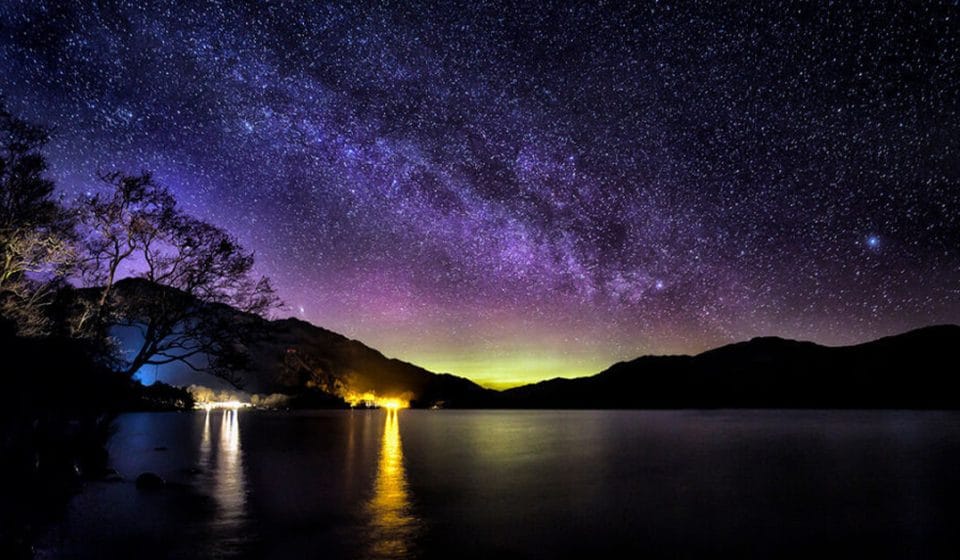
Stargazing in the darkest skies of the Scottish Highlands
Imagine standing on a rugged ridge where the only light comes from worlds millions of light-years away. In the Scottish Highlands, the night doesn’t just fall—it transforms into a celestial masterpiece. As urban sprawl consumes the natural darkness of the continent, Scotland remains one of the last bastions of true nocturnal wilderness. Whether you are chasing the ethereal glow of the Aurora Borealis or seeking the silver dust of the Milky Way, the Highlands offer an astronomical theatre unlike any other in Europe.
Article summary
- Why the Scottish Highlands Offer Europe’s Best Dark Skies
- Top Dark Sky Parks for Uninterrupted Constellation Views
- Chasing the Aurora Borealis: Best Spots for Winter Displays
- Essential Gear for a Highland Stargazing Adventure
- Guided Night Tours and Local Astronomy Hubs
- Best Times of Year to Witness the Northern Lights
- Can you see the Northern Lights in Scotland every night?
- Do I need an expensive telescope to see the Milky Way in the Highlands?
- Is it safe to go stargazing in the Highlands alone?
- Conclusion: A Useful Tip for Your Journey
For travelers looking to reconnect with the cosmos, the journey north is more than a road trip; it is an expedition into the deep dark. From the shimmering “Mirrie Dancers” in the north to the certified Dark Sky Parks in the south, here is your definitive guide to navigating the celestial wonders of the Scottish wild.
Why the Scottish Highlands Offer Europe’s Best Dark Skies
The secret to Scotland’s astronomical prestige lies in its unique geography. The Highlands boast some of the lowest population densities in Europe, meaning light pollution—the amber haze of streetlights and cities—is virtually non-existent across vast swaths of the terrain. This “pristine darkness” allows the human eye to perceive celestial objects that are invisible from most modern towns.
Furthermore, Scotland’s high latitude makes it a prime “hub” for astroturism. During the winter months, the sun dips far below the horizon for extended periods, providing “astronomical twilight” and true dark nights that last up to 14 hours. According to the International Dark-Sky Association (IDA), these conditions are essential for maintaining the delicate nocturnal ecosystems and providing the high-contrast views required for deep-space observation.
Top Dark Sky Parks for Uninterrupted Constellation Views
While the entire region is breathtaking, several locations have earned international gold-tier status for their commitment to preserving the night sky. In these spots, the Milky Way is visible to the naked eye, appearing as a thick, luminous cloud stretching across the zenith.
- Galloway Forest Park: Although located in the Southern Uplands, it was the UK’s first designated Dark Sky Park and remains a benchmark for stargazers. Over 7,000 stars are visible here on a clear night.
- Tomintoul and Glenlivet (Cairngorms National Park): This is the most northerly Dark Sky Park in the UK. The remote “Hills of Cromdale” provide a natural shield against distant light, offering a 360-degree view of the heavens. You can find specific viewing sites via Google Maps.
- Isle of Coll: An International Dark Sky Island where the absence of streetlights means you can see your own shadow cast by the light of Venus on a particularly clear night.

Chasing the Aurora Borealis: Best Spots for Winter Displays
In Scotland, the Northern Lights are affectionately known as the “Mirrie Dancers.” While many associate this phenomenon exclusively with Scandinavia, the northern coast of Scotland sits at the same latitude as parts of Norway and Alaska.
To “hunt” the Aurora, you must head to the far north. Places like Caithness, Sutherland, and the Isle of Skye offer unobstructed views of the northern horizon. The key is to find a spot with a clear view over the sea, such as Duncansby Head, where the aurora often reflects off the Atlantic waters in vibrant shades of green and pink.
Essential Gear for a Highland Stargazing Adventure
The Highlands are beautiful but unforgiving. To enjoy the stars without the distraction of the biting cold, preparation is vital. Thermal layering is non-negotiable; temperatures can drop well below freezing even during “mild” winter nights.
Recommended Gear List:
- Binoculars: A pair of 10×50 binoculars is often better for beginners than a telescope, allowing you to “sweep” the Milky Way for star clusters.
- Red Light Flashlight: White light ruins your “night vision” (the 20 minutes it takes for your eyes to adjust). Use a red LED to navigate your star charts.
- Sturdy Tripod: If you plan on photographing the Aurora, a heavy tripod is necessary to combat the famous Highland winds.
- Insulated Flask: A hot drink is a psychological and physical lifesaver during a three-hour vigil for the Northern Lights.
Guided Night Tours and Local Astronomy Hubs
For those who want more than just a view, local experts bring the sky to life. Many Highland guides blend modern astronomy with Celtic folklore, explaining how ancient inhabitants of the glens used the stars for navigation and storytelling. Hubs like the Abriachan Forest Trust near Loch Ness often host “star parties” where visitors can use professional-grade telescopes while learning about the constellations through a cultural lens.
Best Times of Year to Witness the Northern Lights
Timing is everything in astroturism. For the 2026 season, keep the following windows in mind:
- The Winter Solstice (December): Offers the longest periods of darkness.
- The Equinoxes (September and March): Statistically, the Aurora Borealis is most active during the spring and autumn equinoxes due to the “Russell-McPherron effect,” where the Earth’s magnetic field aligns favorably with the solar wind.
- New Moon Phases: Always plan your trip during a New Moon. A bright Full Moon can wash out the fainter stars and subtle Auroral displays.

Can you see the Northern Lights in Scotland every night?
No. The Aurora depends on solar activity and clear weather. While the “KP-index” measures the likelihood of a geomagnetic storm, you still need a cloudless sky. It is best to use apps like AuroraWatch UK for real-time alerts.
Do I need an expensive telescope to see the Milky Way in the Highlands?
Absolutely not. In a Dark Sky Park like Tomintoul, the Milky Way is clearly visible to the unaided eye as a glowing band of light. Telescopes are only necessary if you wish to see individual planets or distant nebulae in detail.
Is it safe to go stargazing in the Highlands alone?
While the Highlands are safe, the terrain can be treacherous at night. Always inform someone of your location, stay on marked paths, and be aware of the “boggy” ground common in Scotland. Joining a guided tour is highly recommended for solo travelers.
Conclusion: A Useful Tip for Your Journey
If there is one piece of advice for a Highland stargazing trip, it is this: Patience is a virtue, but flexibility is a requirement. The Scottish weather is notoriously fickle. Always have a “Plan B” location and check the Clear Outside app, which provides detailed cloud-cover forecasts specifically for astronomers. Even if the clouds roll in, the silence of a Highland night is an experience in itself—but when they part, the view is truly life-changing.