Top 7 Beach Destinations in Europe for 2026: Your Ultimate Summer Scouting Report
As we head into the 2026 travel season, the European coastline is undergoing a fascinating transformation. While the classic allure of the Mediterranean remains undisputed, a shift toward “Blue Health Escapes” and sustainable “slow travel” is redefining our summer itineraries. Travelers are no longer just looking for a patch of sand; they are seeking destinations that offer a blend of authentic culture, ecological mindfulness, and that rare sense of seclusion.
Article summary
- Sardinia, Italy: The Reigning Queen of the Mediterranean
- Costa Brava, Spain: Sophistication in Begur
- The Albanian Riviera: The Budget-Friendly Frontier
- The Hebrides, Scotland: The Rise of Cool-Cationing
- Calabria, Italy: The Raw Heart of the South
- Lagos, Portugal: The Digital Nomad Sanctuary
- Kotor & Budva, Montenegro: The Adriatic’s Sustainable Star
- What is the best month to visit European beaches in 2026?
- Which European beach destination is the most affordable in 2026?
- Is Sardinia better than the Amalfi Coast for a summer holiday?
- Conclusion: Travel Smarter in 2026
From the rugged, pink-tinged shores of Sardinia—the only European region to clinch a top spot in the 2026 Lonely Planet Best in Travel rankings—to the refined, hidden coves of the Costa Brava, this year is about quality over chaos. Whether you are a digital nomad seeking a coastal office or a family looking for the next “it” spot, these are the seven destinations set to define 2026.
Sardinia, Italy: The Reigning Queen of the Mediterranean
Sardinia is officially the “must-visit” island of 2026. Beyond its world-famous turquoise waters, the island is being celebrated for its Blue Zone status—areas where people live significantly longer, healthier lives. Travelers are flocking here to experience this “slow living” firsthand.
- Highlight: The Maddalena Archipelago, a protected marine park with sands that shimmer in shades of pink.
- Best for: Wellness seekers and those interested in “longevity travel.”
To plan your route through these protected waters, check the official Sardegna Turismo portal for updated environmental guidelines and park permits.
Costa Brava, Spain: Sophistication in Begur
While Barcelona remains a hub, the savvy traveler in 2026 is heading north to the Costa Brava, specifically the town of Begur. It’s a masterclass in Mediterranean elegance, where medieval stone architecture meets hidden, pine-fringed coves like Sa Tuna and Aiguablava.
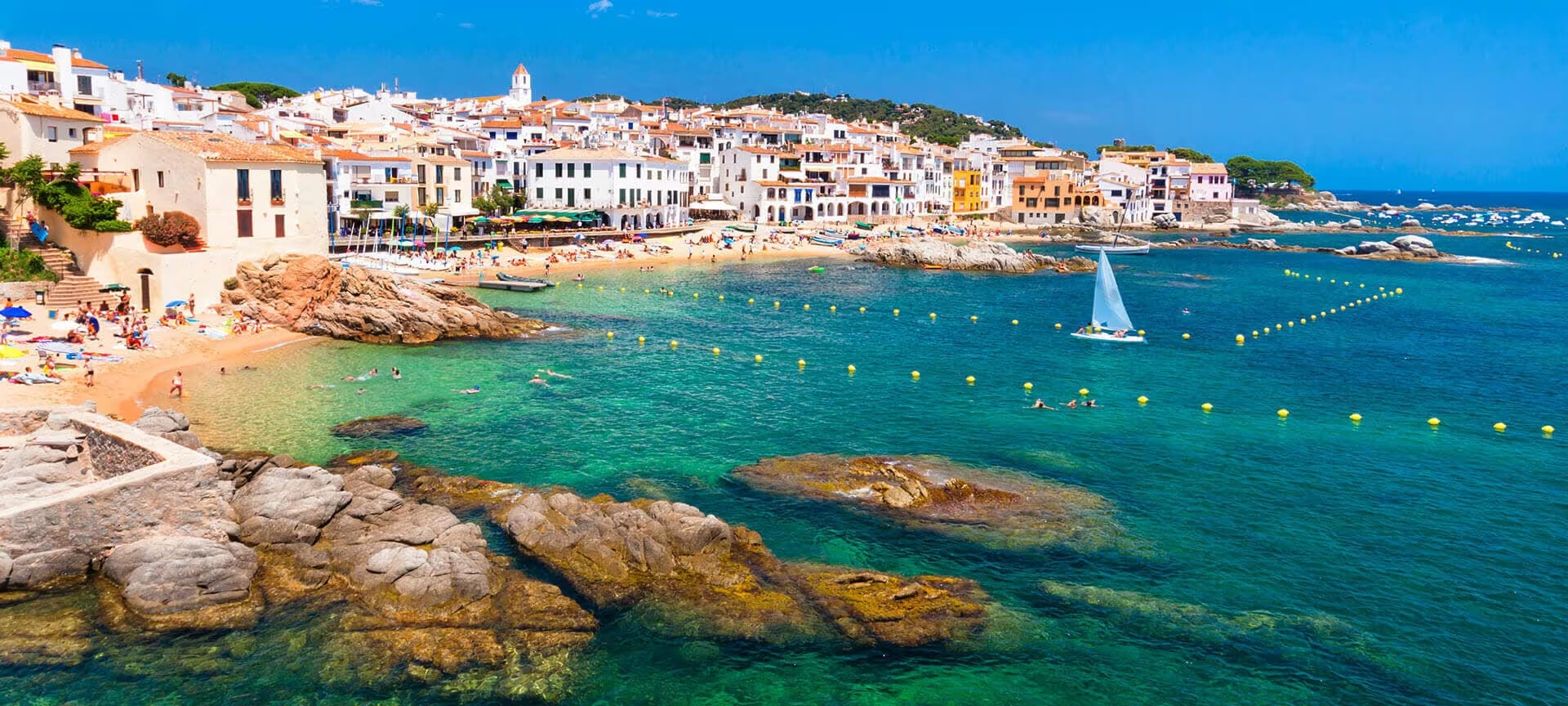
The trend here is “discreet luxury”—boutique stays and Catalan gastronomy that prioritize local sourcing over mass appeal. It’s a coastal retreat that feels both high-end and deeply rooted in tradition.
The Albanian Riviera: The Budget-Friendly Frontier
Continuing its meteoric rise, Albania remains the top choice for those seeking Maldives-quality water without the staggering price tag. Places like Ksamil and Himarë have moved beyond “hidden gems” and are now established hotspots, yet they still offer incredible value compared to Western European counterparts.
Pro tip: Visit in June or September to avoid the peak crowds of July and August, as the “hidden season” trend is gaining traction for 2026.
The Hebrides, Scotland: The Rise of Cool-Cationing
With southern Europe experiencing record temperatures, “Cool-cationing” has become a dominant trend. The Hebrides offer a rugged, dramatic alternative to the scorched Mediterranean. Think white-sand beaches like Luskentyre that look Caribbean but offer the refreshing, crisp air of the North Atlantic.
This is the ultimate destination for nature-based tourism, wildlife spotting, and experiencing authentic Gaelic culture. You can find more about these remote landscapes via VisitScotland.
Calabria, Italy: The Raw Heart of the South
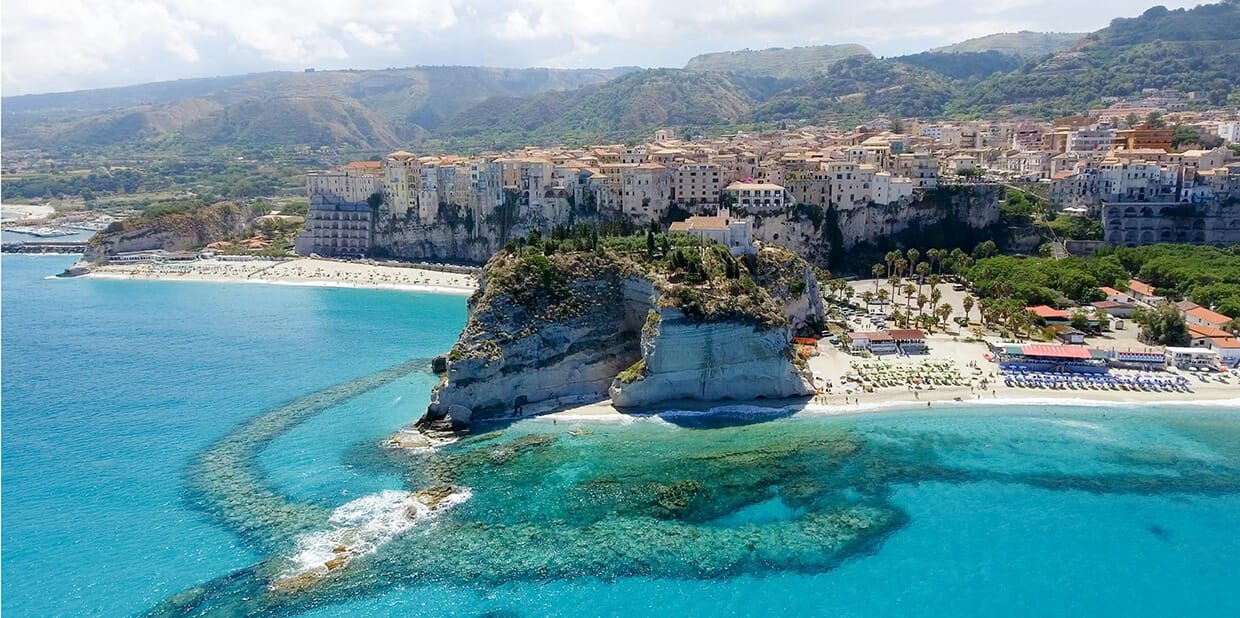
Often overshadowed by the Amalfi Coast, Calabria is finally stepping into the spotlight in 2026. Known as Italy’s “toe,” this region offers a more authentic, raw experience. Tropea, with its clifftop cathedral and “red onion” sweetness, is the star, but the surrounding “Coast of the Gods” provides endless crystalline shores that feel untouched by time.
Lagos, Portugal: The Digital Nomad Sanctuary
The Algarve is evolving. In 2026, Lagos has solidified itself as the premier base for digital nomads. With high-speed internet, a thriving community of remote workers, and some of the most iconic limestone cliffs in the world (Ponta da Piedade), it offers a perfect work-life balance.
The focus here is on active travel: surfing, cliff-path hiking, and kayaking through sea caves between Zoom calls.
Kotor & Budva, Montenegro: The Adriatic’s Sustainable Star
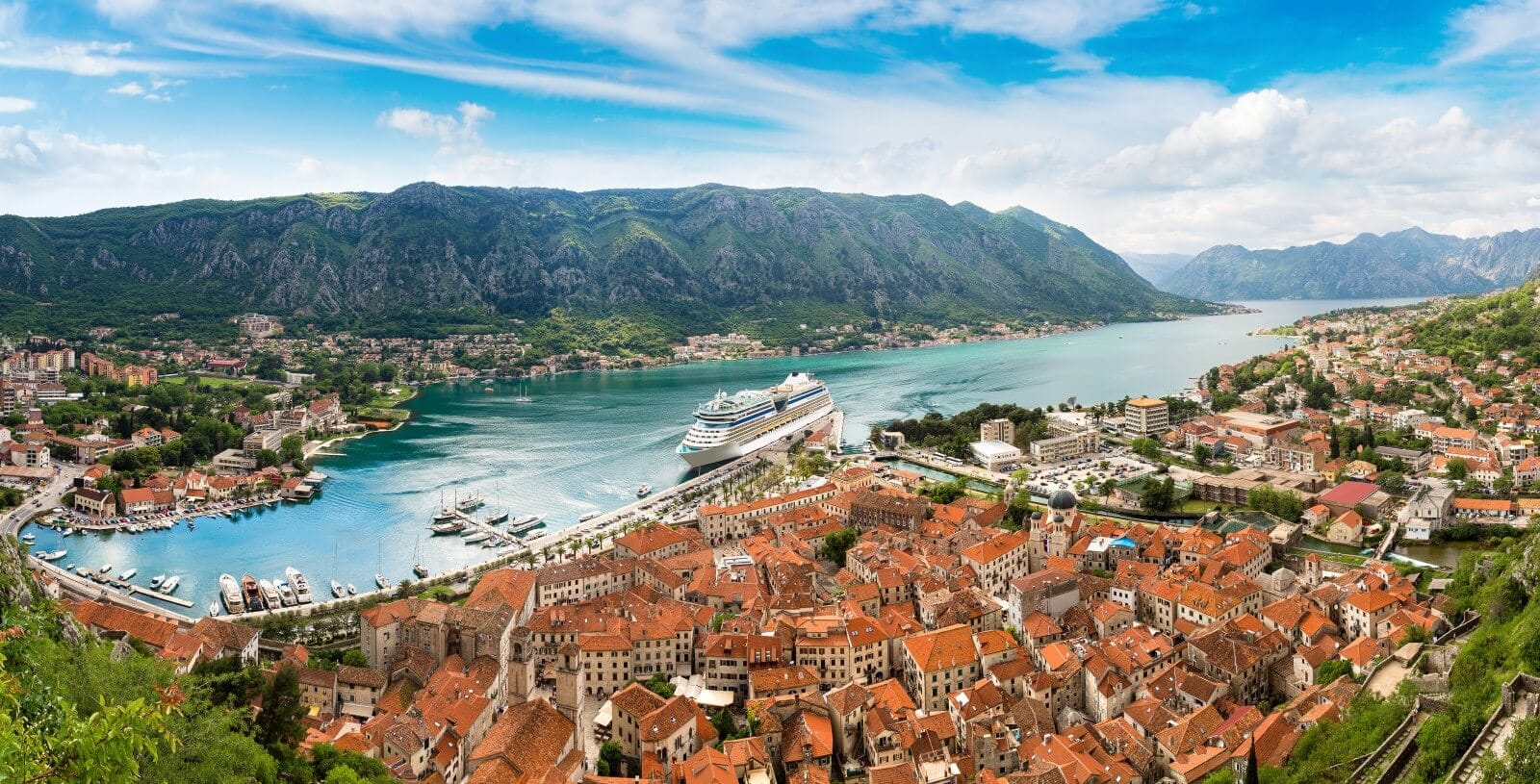
Montenegro is balancing its luxury growth with a strong commitment to UNESCO-listed heritage. The Bay of Kotor offers a fjord-like coastal experience, while Budva provides the classic beach club vibe. In 2026, the country is pushing for more eco-conscious stays, making it a favorite for the “green” traveler. For exact locations of the best-hidden bays, you can explore the Google Maps coastal highlights of the Adriatic.
What is the best month to visit European beaches in 2026?
According to recent industry reports, September is becoming the most popular month for European travel. It offers a “hidden season” advantage with warm waters, lower prices, and significantly fewer crowds than August. May and early June are also excellent for those seeking mild weather and blooming coastal landscapes.
Which European beach destination is the most affordable in 2026?
Albania and Poland (the Baltic Coast) continue to lead in terms of price competitiveness. While Albania offers a Mediterranean climate, Poland’s northern shores are gaining fans for their unique “cool-cation” vibe and high-quality infrastructure at a fraction of the cost of the French Riviera or Ibiza.
Is Sardinia better than the Amalfi Coast for a summer holiday?
In 2026, Sardinia is trending higher due to its diversity of beaches and more spacious landscapes. While the Amalfi Coast is iconic for its vertical towns and glamour, Sardinia offers better opportunities for “slow travel,” hiking, and discovering secluded coves that aren’t accessible by car.
Conclusion: Travel Smarter in 2026
The landscape of European travel is changing. As we prioritize sustainability and mental well-being, our choice of destination reflects a desire for deeper connection rather than just a tan. Whether you choose the rugged beauty of Scotland or the longevity-focused lifestyle of Sardinia, 2026 is the year to explore the margins of the map.
Final Travel Advice: Always book your “hidden gem” accommodations at least 4–6 months in advance. As more travelers use AI to find “undiscovered” spots, these locations are reaching capacity faster than ever before.