Why Senegal is the next big cultural destination in West Africa
For decades, West Africa remained a hidden gem on the global tourism map, often overshadowed by the classic safari circuits of the East and South. However, in 2026, the tide has officially turned. Senegal, the “Land of Teranga,” is emerging as the continent’s most compelling cultural powerhouse. From the neon-lit jazz clubs of Dakar to the world-class barrels of the Atlantic coast, this nation offers a sophisticated blend of raw history, modern luxury, and soul-stirring rhythm. Whether you are a digital nomad seeking a new base or a history buff tracing the roots of the transatlantic story, Senegal is no longer just a stopover—it is the destination.
Article summary
- Dakar: The Vibrant Beat of West African Modernity
- Surfing the Tip of Africa: Dakar’s Growing Wave Culture
- A Somber Reflection: The Historical Legacy of Gorée Island
- Terranga: The Secret Ingredient of Senegalese Hospitality
- Modern Infrastructure: New Resorts and Enhanced Connectivity
- Beyond the City: The Pink Lake and the Sine-Saloum Delta
- Is Senegal safe for tourists in 2026?
- What is the best time to visit Senegal?
- Do I need a visa for Senegal?
- Conclusion: A Final Tip for Your Journey
Dakar: The Vibrant Beat of West African Modernity
Dakar is not just a capital city; it is a sensory explosion. Perched on the westernmost point of the African continent, it serves as a creative crucible where tradition meets high-tech ambition. The city’s heartbeat is its music. As the sun sets, the streets of neighborhoods like Médina and Plateau come alive with the sounds of Mbalax—a high-energy fusion of traditional Sabar drumming and Western jazz, soul, and rock, popularized by legends like Youssou N’Dour.
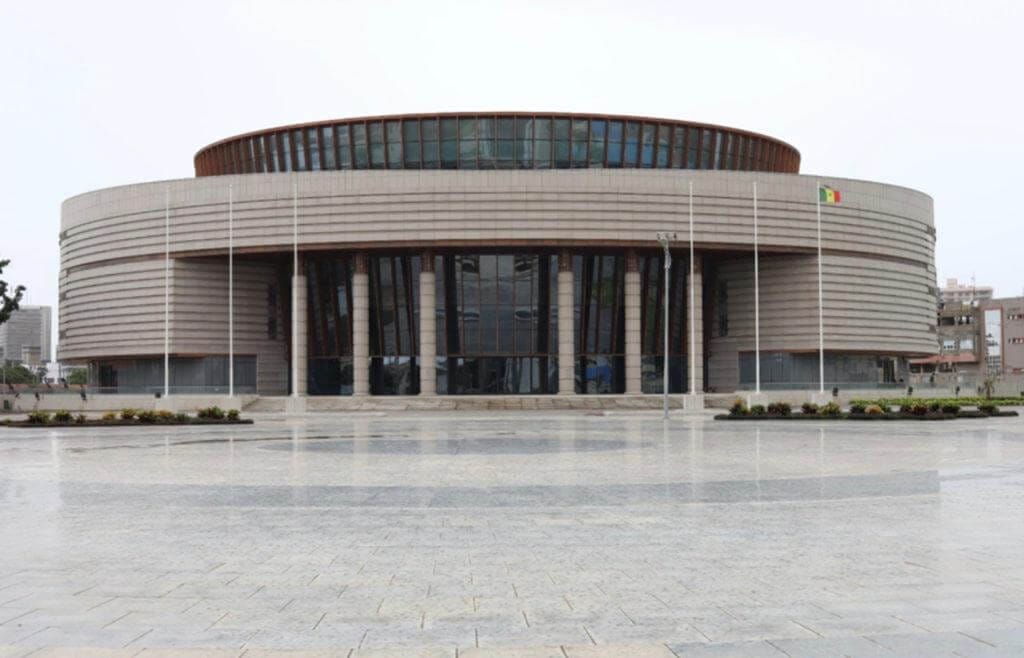
Beyond the nightlife, Dakar has solidified its status as a global art hub. The Museum of Black Civilizations stands as a testament to the city’s intellectual weight, while the biennial Dak’Art festival attracts contemporary artists from across the globe. Walking through the city, you’ll find vibrant murals, high-end fashion boutiques, and a burgeoning tech scene that makes Dakar feel like the “Paris of Africa,” but with a rhythm entirely its own.
Surfing the Tip of Africa: Dakar’s Growing Wave Culture
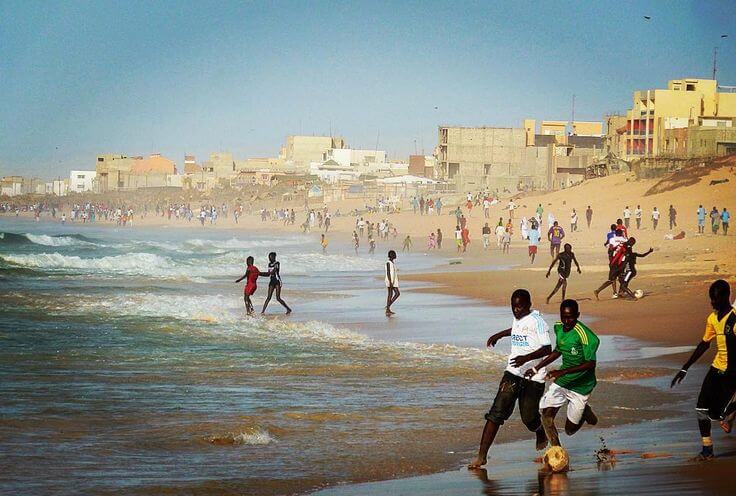
While Morocco has long been the darling of the African surfing scene, Senegal is the new frontier for those in the know. The Cape Verde Peninsula creates a unique geography that catches swells from both the North and South Atlantic, ensuring consistent waves almost year-round.
- Ngor Island: A tiny, car-free paradise just off the coast of Dakar. It gained international fame in the cult classic film The Endless Summer and remains the heart of the local surf community.
- Ouakam: Home to a famous right-hand reef break set against the dramatic backdrop of the Mosque of the Divinity.
- Yoff Beach: Perfect for beginners, offering long sandy stretches and manageable whitewater.
The surf culture here is deeply inclusive. Local surf schools are popping up along the coast, blending the sport with environmental activism and community youth programs, making it a “must-visit” for travelers who value sustainable and active tourism.
A Somber Reflection: The Historical Legacy of Gorée Island
Only a 20-minute ferry ride from the chaos of Dakar lies the car-free, bougainvillea-draped tranquility of Gorée Island. But the island’s beauty belies a heavy history. As a UNESCO World Heritage site, Gorée serves as a powerful memorial to the transatlantic slave trade.
A visit to the Maison des Esclaves (House of Slaves) is a profound, often emotional experience. Standing in the “Door of No Return,” looking out at the vast Atlantic, offers a moment of somber reflection on the resilience of the African spirit. Today, the island has transformed into a sanctuary for artists and historians, ensuring that the lessons of the past are never forgotten while celebrating the vibrant Senegalese identity that emerged from the struggle.
Terranga: The Secret Ingredient of Senegalese Hospitality
If you ask any traveler what they remember most about Senegal, they won’t say the monuments; they will say the people. This is due to Terranga, a Wolof word that translates to “hospitality” but means so much more. It is a national philosophy rooted in the idea of giving respect and a warm welcome to everyone, regardless of their origin.
Terranga is why you will likely be invited to share a bowl of Thieboudienne (the national dish of fish and rice) with a family you just met. It’s the spirit that turns a simple transaction at a market into a twenty-minute conversation about family and health. In an increasingly digital and isolated world, the authentic human connection found in Senegal is perhaps its most valuable export.
Modern Infrastructure: New Resorts and Enhanced Connectivity
Senegal’s rise is not accidental; it is backed by significant investment in infrastructure. The opening of the Blaise Diagne International Airport (DSS) has streamlined arrivals, moving the hub away from the city center to allow for better expansion. Furthermore, the TER (Regional Express Train) now connects Dakar to the new “smart city” of Diamniadio in record time.
For those seeking relaxation, the Petite Côte has seen a surge in eco-conscious luxury. Resorts in areas like Saly and Somone now focus on “slow travel,” offering high-end amenities that respect the local ecosystem. These developments have made Senegal significantly more accessible for international families and luxury travelers who previously might have found the region’s logistics challenging.
Beyond the City: The Pink Lake and the Sine-Saloum Delta
The Senegalese adventure extends far beyond the urban sprawl of Dakar. Travelers looking for natural wonders have two distinct icons to explore:
- Lac Rose (Lake Retba): Famous for its high salt content and strawberry-pink hues (caused by Dunaliella salina algae), it’s a surreal landscape where salt harvesters work against a backdrop of white dunes.
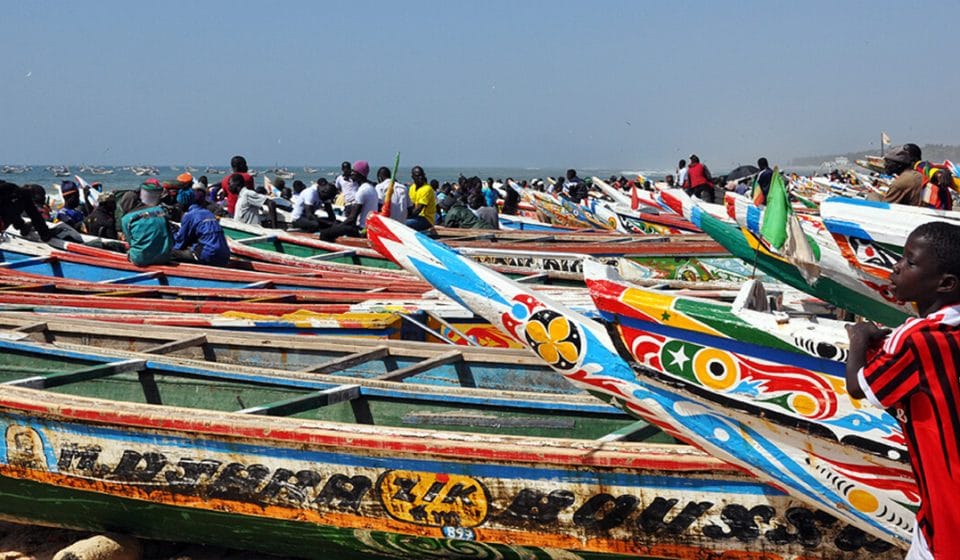
- Sine-Saloum Delta: A UNESCO-listed biosphere reserve consisting of a labyrinthine network of mangroves, salt marshes, and islands. Exploring the delta by traditional wooden pirogue is the ultimate way to spot rare birds and experience the quietude of rural Senegalese life.
Is Senegal safe for tourists in 2026?
Yes, Senegal remains one of the most stable and peaceful countries in Africa. While standard travel precautions apply—such as being mindful of your belongings in crowded markets—the country enjoys a long-standing democratic tradition and a very welcoming atmosphere for foreigners.
What is the best time to visit Senegal?
The best time to visit is during the dry season, from November to May. During these months, the weather is pleasantly warm, there is virtually no rain, and it is the peak time for birdwatching and surfing.
Do I need a visa for Senegal?
Visa requirements vary by nationality. Many Western citizens (including those from the US, UK, and EU) can enter visa-free for up to 90 days. Always check with the latest updates from the official Senegalese authorities before booking.
Conclusion: A Final Tip for Your Journey
Senegal is a destination that rewards the curious. To truly experience the magic of this West African gem, don’t spend your entire trip inside a resort. While the new modern facilities are excellent, the soul of the country is found in the dusty corners of the Sandaga market, the shared meals, and the spontaneous drumming sessions on the beach. Pro Tip: Learn a few basic phrases in Wolof, such as “Nanga def” (How are you?), and watch as the legendary Terranga hospitality opens doors you never knew existed.