Why Mexico City remains the undisputed cultural and culinary capital of 2026
As we navigate through 2026, the global travel compass is pointing decisively toward the high-altitude heart of North America. Mexico City (CDMX) is no longer just a stopover; it is a sprawling, breathing masterpiece that has officially claimed its throne as the world’s most compelling cultural and culinary titan. While other global hubs grapple with rising costs and fading authenticity, the “City of Palaces” has mastered the art of evolution without losing its soul.
Article summary
- The Global Stage for Contemporary Art Beyond Frida and Diego
- Roma and Condesa: The Bohemian Soul of the Metropolis
- The Fine Dining Revolution: Michelin Quality at Accessible Prices
- From Street Tacos to Gourmet Cantinas: A Sensory Journey
- Preserving the Past: Pre-Hispanic Roots in a Modern Jungle
- Navigating the CDMX Energy: Safety and Local Tips for 2026
- Is Mexico City safe for tourists in 2026?
- What is the best month to visit Mexico City?
- Why is Mexico City so popular right now?
- Conclusion: A Useful Tip for Your Journey
From the neon-lit galleries of San Rafael to the scent of hand-pressed masa wafting through the chic streets of Roma Norte, CDMX offers a sensory overload that feels remarkably sophisticated yet grounded. Whether you are a digital nomad seeking the perfect workspace or a gourmand hunting for the next Michelin-starred secret, here is why Mexico City remains unparalleled in 2026.
The Global Stage for Contemporary Art Beyond Frida and Diego
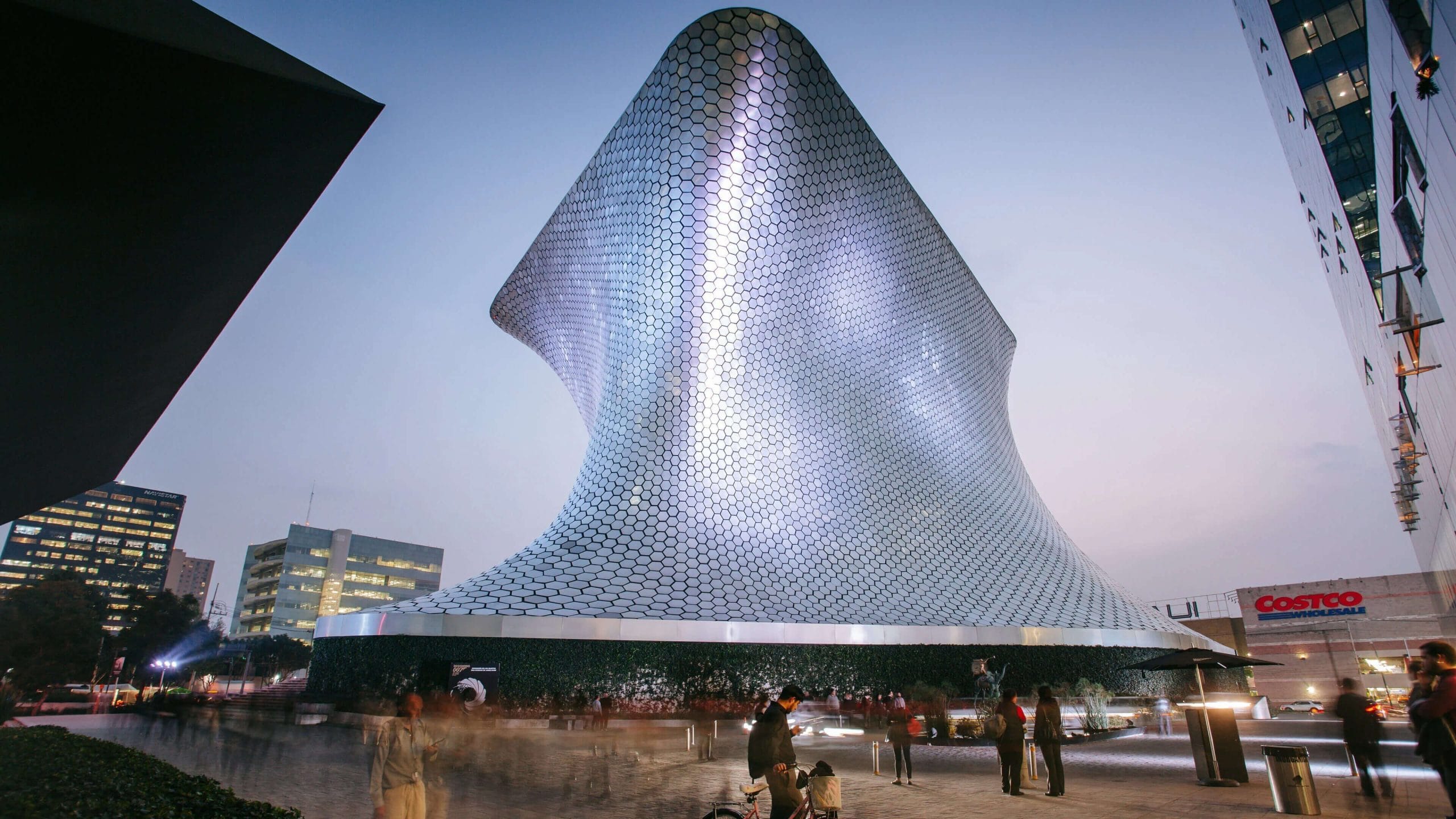
While the legacies of Frida Kahlo and Diego Rivera remain the city’s bedrock, 2026 marks a pivotal shift toward a more futuristic, globalized art scene. The architectural marvel that is the Museo Soumaya, with its shimmering hexagonal tiles, continues to draw crowds, but the real conversation is happening next door at Museo Jumex, which has solidified its status as the premier destination for international contemporary art in Latin America.
However, the city’s creative pulse is most audible in the neighborhood of San Rafael. Once a quiet residential area, it has transformed into a gritty-yet-glamorous hub for independent galleries and artist-run spaces. Key takeaways for art lovers include:
- Gallery Hopping: Explore the cutting-edge exhibitions at OMR and Kurimanzutto, which represent artists shaping the 2026 global market.
- Zsona Maco: The annual art fair has become a mandatory date on the international calendar, rivaling Art Basel for influence.
- Public Murals: Modern street art in districts like Doctores is bridging the gap between historical muralism and 21st-century social commentary.
Roma and Condesa: The Bohemian Soul of the Metropolis
Walking through Roma and Condesa feels like stepping into a curated dream of 20th-century Art Deco architecture and lush, tropical greenery. In 2026, these colonias have become the blueprint for the modern urban lifestyle. The canopy-covered streets of Parque México and Parque España serve as communal outdoor living rooms for locals and expats alike.
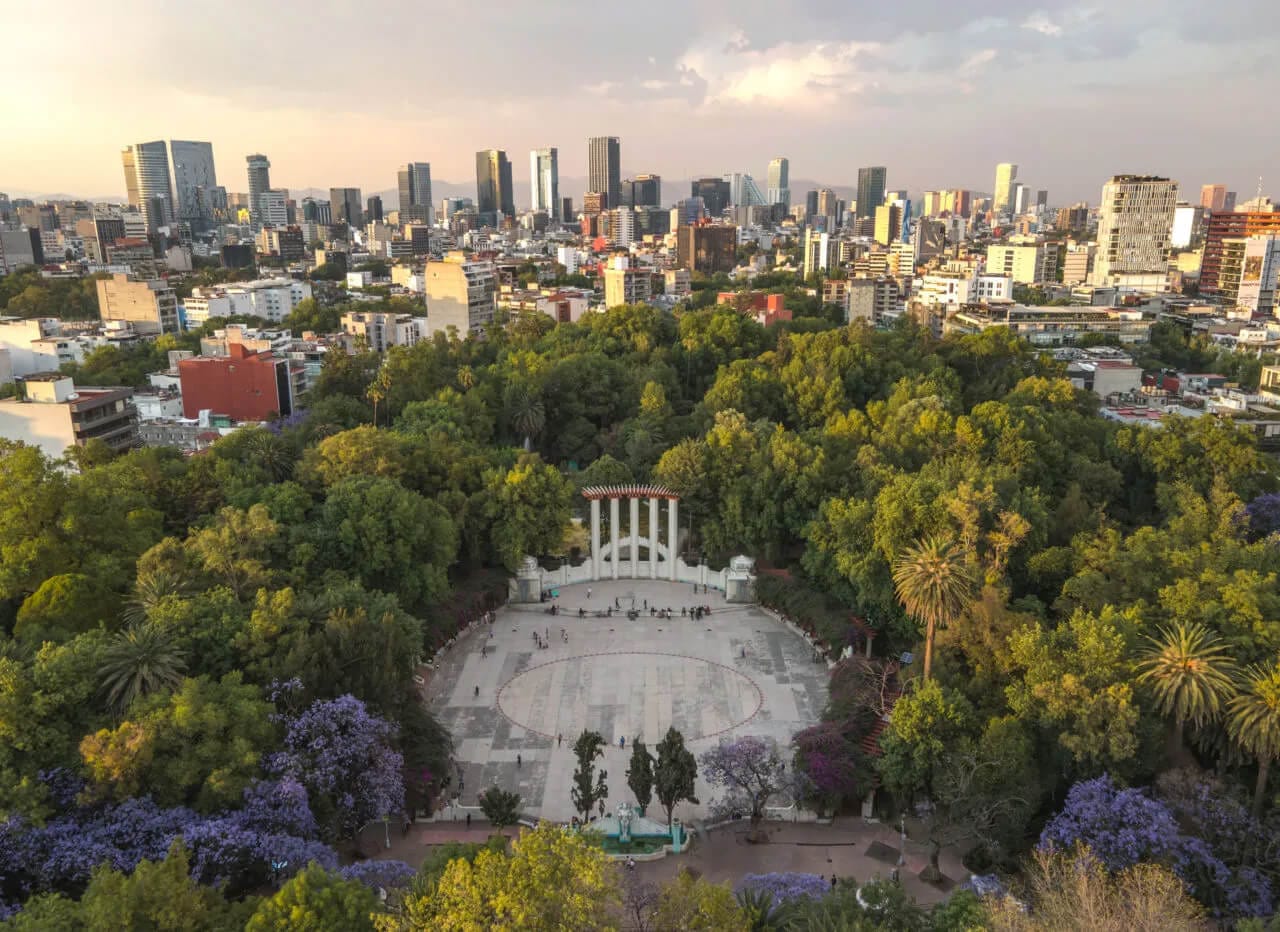
The specialty coffee culture here has reached its zenith. You won’t find just a “cup of joe”; you’ll find single-origin beans sourced from the highlands of Chiapas and Oaxaca, roasted on-site, and served in minimalist spaces that double as design studios. For the digital nomad, these neighborhoods offer a seamless blend of high-speed connectivity and a “slow living” aesthetic that is hard to replicate in London or New York.
The Fine Dining Revolution: Michelin Quality at Accessible Prices
Mexico City’s culinary scene has achieved something extraordinary: accessible excellence. While legendary institutions like Pujol and Quintonil continue to dominate the “World’s 50 Best” lists, a new generation of chefs is democratizing haute cuisine. In 2026, you can experience a multi-course tasting menu that would cost $400 in Manhattan for a third of the price in CDMX.
These kitchens are obsessively focused on endemic ingredients—ant larvae (escamoles), heirloom corn, and complex moles—presented with avant-garde techniques. The “fine dining revolution” here is characterized by a lack of pretension; the focus is entirely on the plate, the heritage, and the hospitality.
From Street Tacos to Gourmet Cantinas: A Sensory Journey
The true magic of CDMX lies in its culinary hierarchy—or rather, the lack thereof. In this city, a CEO and a construction worker might stand shoulder-to-shoulder at a corner taquería, both enjoying tacos al pastor sliced thin from a spinning trompo.
2026 has also seen the rise of the Gourmet Cantina. Historic drinking dens that once served only beer and basic snacks have been reinvented. They now offer sophisticated mezcal pairings and elevated traditional dishes while maintaining their boisterous, nostalgic atmosphere. Food here is the ultimate social equalizer, a cultural language that everyone speaks fluently.
Preserving the Past: Pre-Hispanic Roots in a Modern Jungle
Despite the roar of the 2026 tech boom, Mexico City remains deeply tethered to its ancestral roots. Standing in the middle of the Zócalo, you are physically atop the ruins of the Aztec Empire. The Templo Mayor serves as a constant reminder of the city’s layered history, where pre-Hispanic ruins sit literally inches away from colonial cathedrals.
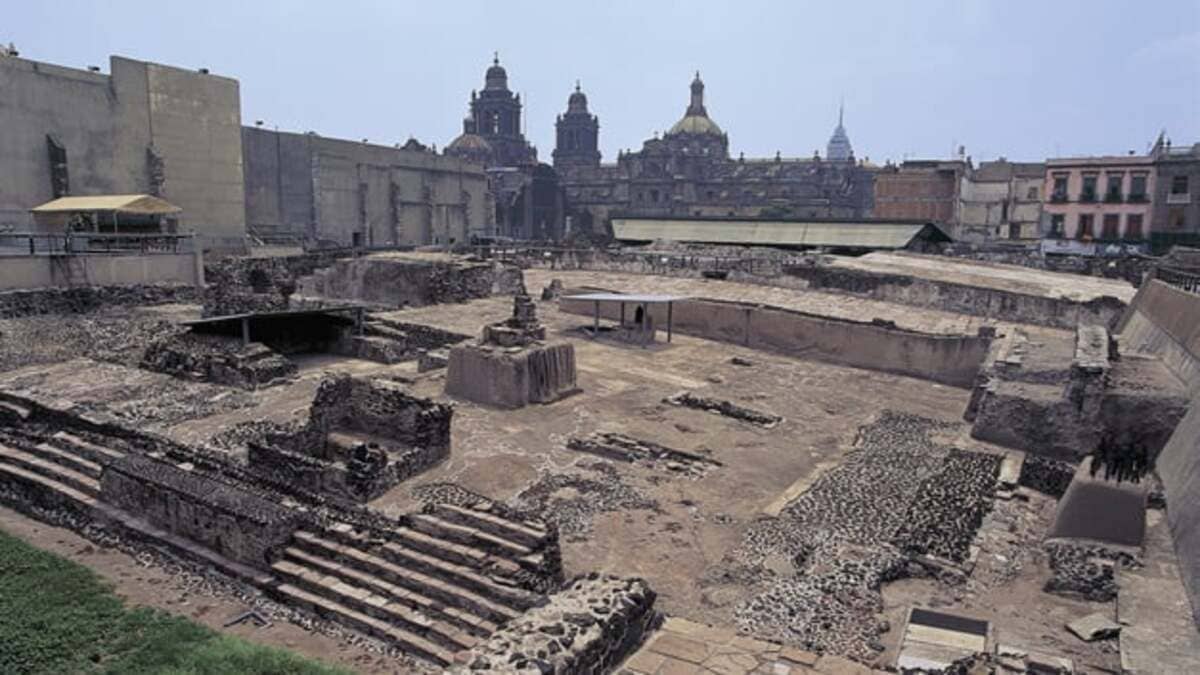
A visit to the National Museum of Anthropology is essential to understand the modern “Chilango” identity. It provides the necessary depth to the city’s current explosion of modernity, proving that the innovation we see today is built upon thousands of years of sophisticated civilization.
Navigating the CDMX Energy: Safety and Local Tips for 2026
To enjoy Mexico City like a true local, one must embrace its chaotic but rewarding energy. Here are some practical tips for your 2026 journey:
- Safety & Transport: Stick to verified ride-sharing apps like Uber or Didi, especially at night. The “Ecobici” bike-sharing system is the best way to navigate Roma and Condesa during the day.
- The Weather: Visit between March and May for the best temperatures, but be prepared for afternoon tropical showers if you visit during the summer “rainy season.”
- Cash is King (Sometimes): While most restaurants in Polanco take cards, your favorite street stall will likely be cash-only. Always keep small denominations of Pesos on hand.
Is Mexico City safe for tourists in 2026?
Yes, Mexico City is generally safe for tourists, particularly in popular neighborhoods like Roma, Condesa, Coyoacán, and Polanco. Like any major metropolis, it requires “city smarts”—avoiding less-traveled areas at night and keeping an eye on personal belongings in crowded markets.
What is the best month to visit Mexico City?
The best time to visit is from late October to early November. Not only is the weather mild, but you can experience the spectacular Day of the Dead (Día de los Muertos) festivities, which take over the entire city with marigolds and parades.
Why is Mexico City so popular right now?
CDMX offers a unique combination of high-end lifestyle, deep historical roots, and a relatively affordable cost of living compared to European or US capitals. Its world-class food scene and vibrant creative energy make it a magnet for the “creative class.”
Conclusion: A Useful Tip for Your Journey
Mexico City is not a place you “see”—it is a place you “feel.” If there is one piece of advice for 2026, it is this: Look up and look down. Look up at the stunning architecture and jacaranda trees, but look down at the sidewalk stalls and hidden basement mezcalerías. The city’s greatest treasures are often tucked away in plain sight. Embrace the pace, respect the history, and arrive hungry.