Why the Azores are the Hawaii of Europe for nature lovers
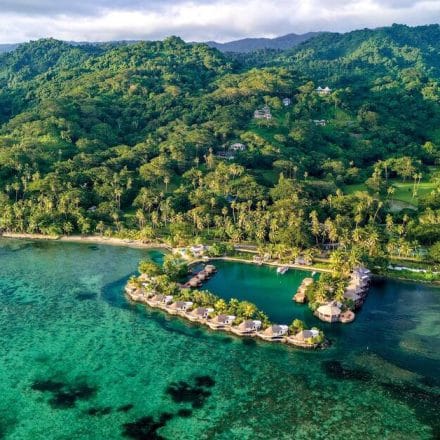
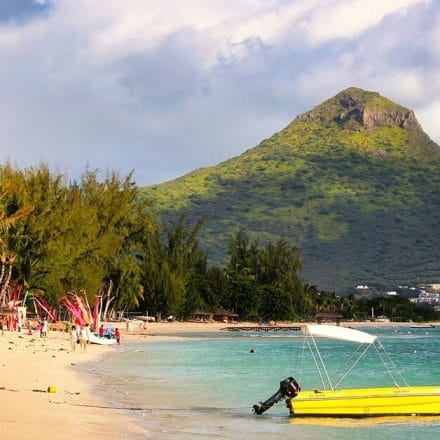
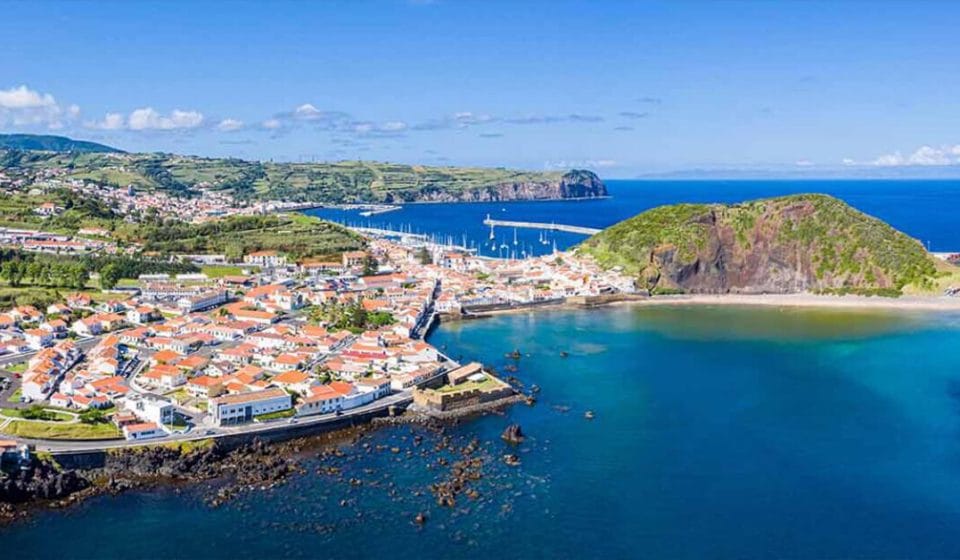
In the vast expanse of the North Atlantic, halfway between Europe and North America, lies an archipelago so green it seems to defy the deep blue of the ocean surrounding it. Often whispered about in travel circles as the “Hawaii of Europe,” the Azores are no longer a hidden secret but a premier destination for those seeking raw, prehistoric beauty without the long-haul flight to the Pacific. Composed of nine volcanic islands, this Portuguese autonomous region offers a dramatic mix of crater lakes, steaming geothermal springs, and jagged emerald cliffs.
Article summary
- Volcanic Landscapes and the Twin Lakes of Sete Cidades
- Furnas Valley Geothermal Wonders and Thermal Baths
- Whale and Dolphin Watching in the Middle of the Atlantic
- Hiking Through Lush Caldeiras and Emerald Forests
- The Unique Vineyard Culture of Pico Island
- Sustainable Travel in the World’s First Certified Archipelago
- Is it better to visit the Azores or Hawaii?
- What is the best month to visit the Azores?
- Are the Azores expensive to visit?
- Conclusion and Travel Tip
As we move through 2026, the appeal of the Azores has shifted from a niche adventure spot to a global benchmark for high-value, low-impact tourism. Whether you are chasing the mist in the highlands of São Miguel or tasting volcanic wines on Pico, the archipelago provides a sensory immersion that feels both ancient and revitalizing. For more information on planning your logistics, the Official Visit Azores Portal is an essential resource for inter-island travel.
Volcanic Landscapes and the Twin Lakes of Sete Cidades
If there is one image that defines the Azores, it is the panoramic view from Vista do Rei. Looking down into the massive volcanic caldera of Sete Cidades, visitors are greeted by the Lagoa Azul and Lagoa Verde. Legend speaks of a star-crossed princess and a shepherd whose tears filled the lakes—one blue to match her eyes, one green to match his. Geologically, however, it is a stunning example of a subsidence caldera.
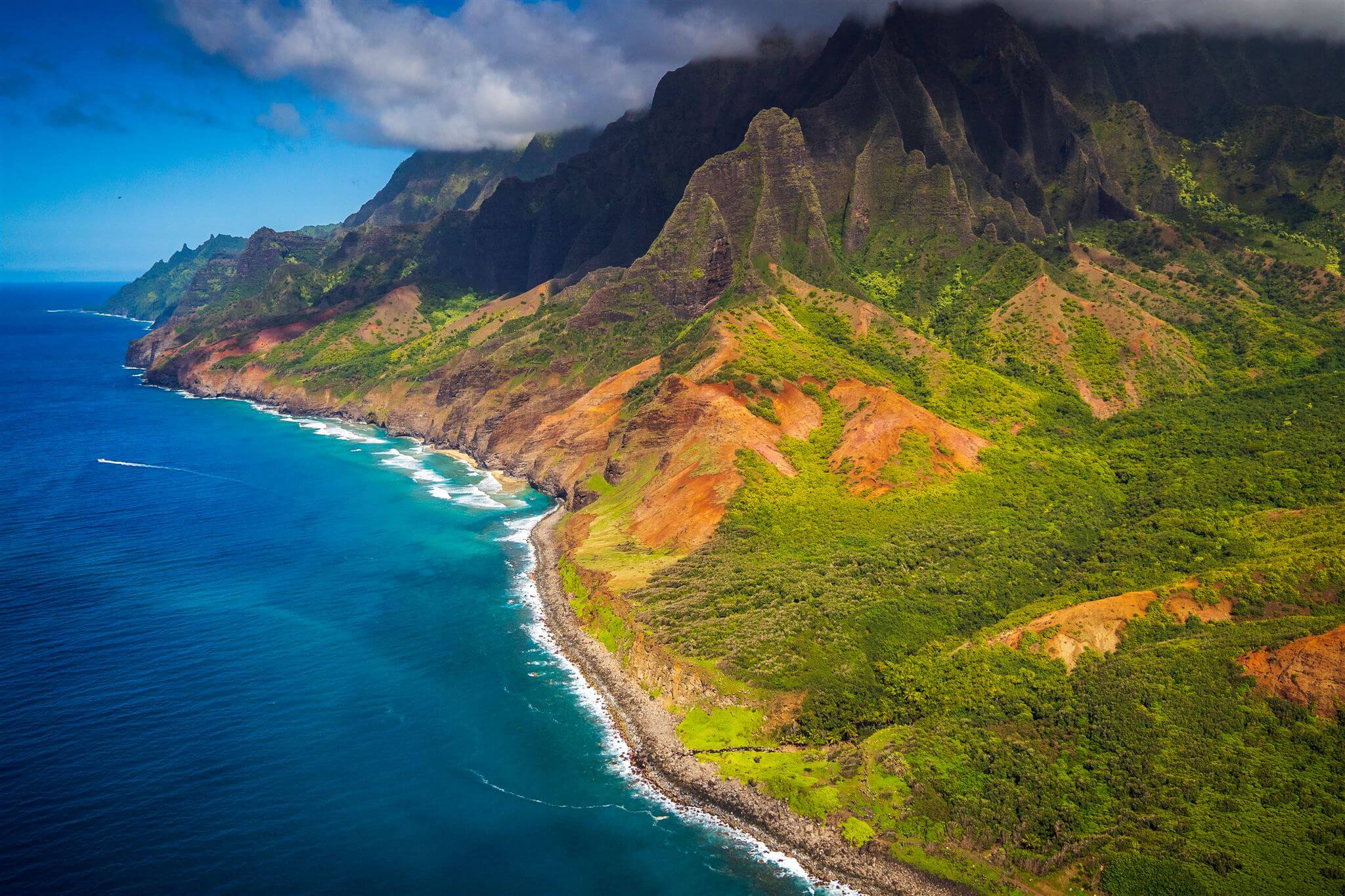
The landscape here draws immediate comparisons to the Na Pali Coast of Kauai. The sheer verticality of the crater walls, draped in dense vegetation and hydrangeas, creates a cathedral of nature. To experience this fully, hikers should head to the Grota do Inferno viewpoint, where the narrow ridge paths offer a 360-degree perspective of multiple craters and the Atlantic beyond. It is a world-class trekking destination that rivals any Pacific tropical trail.
- Best time to visit: Early morning to avoid the “Atlantic mist” that often blankets the lakes.
- Must-see: The abandoned Monte Palace hotel for a hauntingly beautiful architectural contrast.
Furnas Valley Geothermal Wonders and Thermal Baths
The “Hawaii” comparison extends deep underground. In the village of Furnas, the earth literally breathes. The valley is a hotbed of secondary volcanism, characterized by boiling mud pots (caldeiras) and sulfurous steam vents that hiss into the cool mountain air. This isn’t just a spectacle; it’s a way of life.
The centerpiece of Furnas is the Terra Nostra Park, a botanical garden housing a massive thermal pool filled with iron-rich, volcanic water heated to a consistent 35°C-40°C. Bathing in these ochre-colored waters is a transformative experience, surrounded by centuries-old trees and rare plants.
While you soak, locals utilize the earth’s heat for culinary purposes. The Cozido das Furnas is a traditional stew placed in sealed pots and buried in the hot volcanic soil for seven hours. The result is a tender, mineral-rich feast that represents the ultimate “farm-to-table” (or rather, earth-to-table) dining experience.
Whale and Dolphin Watching in the Middle of the Atlantic
The Azores are widely considered one of the top five spots on Earth for whale watching. Because the islands rise steeply from the ocean floor, deep-water species like Sperm Whales are found just miles from the shore. The archipelago serves as a vital pitstop on the migratory routes of the giants of the sea.
Unlike the commercialized tours found in other parts of the world, the Azores pride themselves on responsible marine tourism. Lookout towers (vigias), originally built for the whaling industry of the past, are now used by spotters to guide eco-friendly boats toward the animals without disturbing them. Depending on the season, lucky travelers may witness the majestic Blue Whale—the largest animal to ever live—as it passes through during the spring months. You can see the real-time conservation efforts and species tracking on the MoniCET Marine Mammal Database.
Hiking Through Lush Caldeiras and Emerald Forests
Walking through the interior of islands like Flores or São Jorge feels like stepping into a “Jurassic Park” film set. The islands are home to Laurisilva forests, a type of humid subtropical forest that covered much of Southern Europe millions of years ago but survived here due to the isolation of the Macaronesia region.
The hiking network is meticulously maintained, offering everything from coastal cliff walks to interior jungle treks. Key highlights include:
- Lagoa do Fogo: A wild, high-altitude lake surrounded by white sand beaches and endemic flora.
- Poço Azul: A hidden, crystal-clear blue lagoon tucked away in the forest of Achadinha.
- Cascata do Poço do Bacalhau: A towering waterfall on Flores that plunges into a natural swimming hole.
The Unique Vineyard Culture of Pico Island
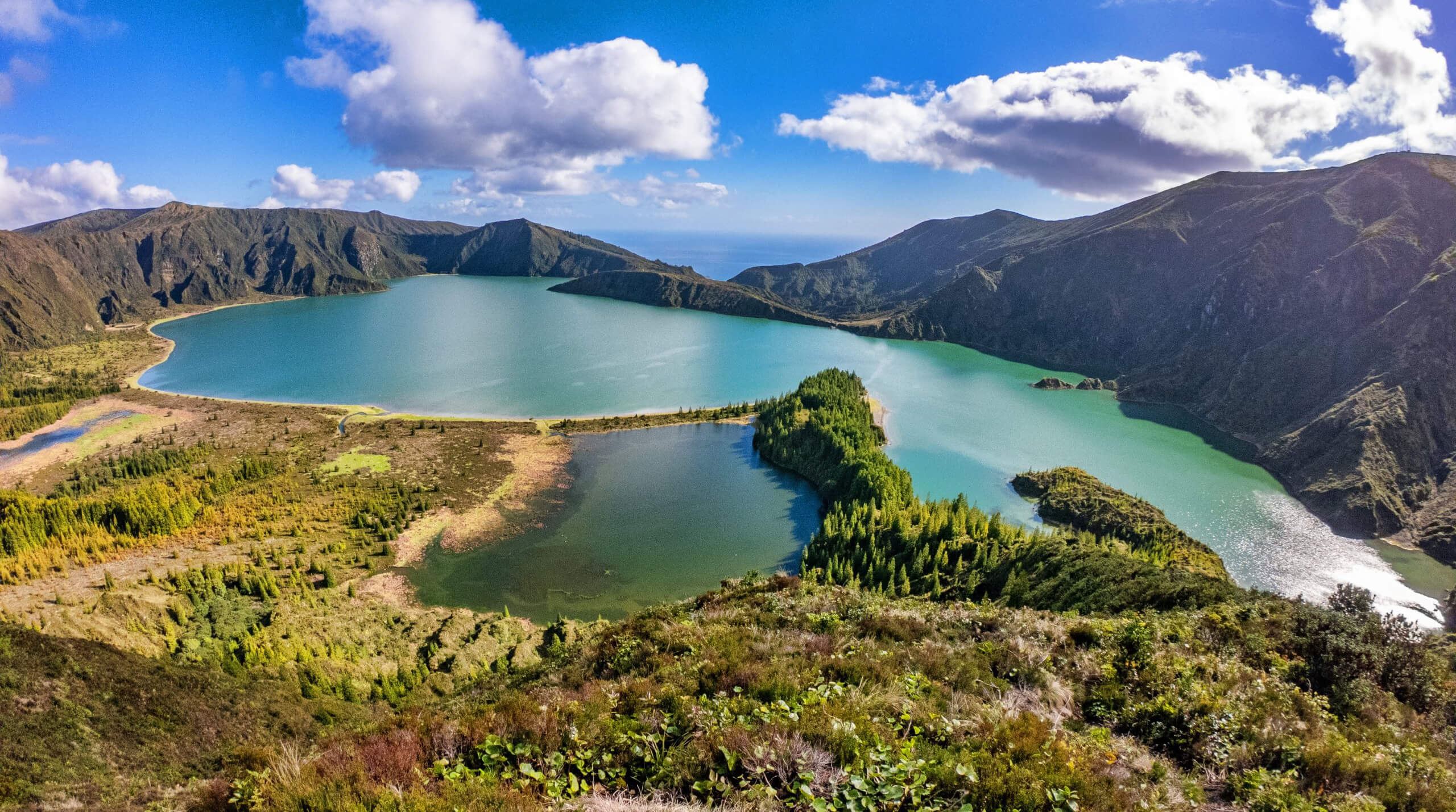
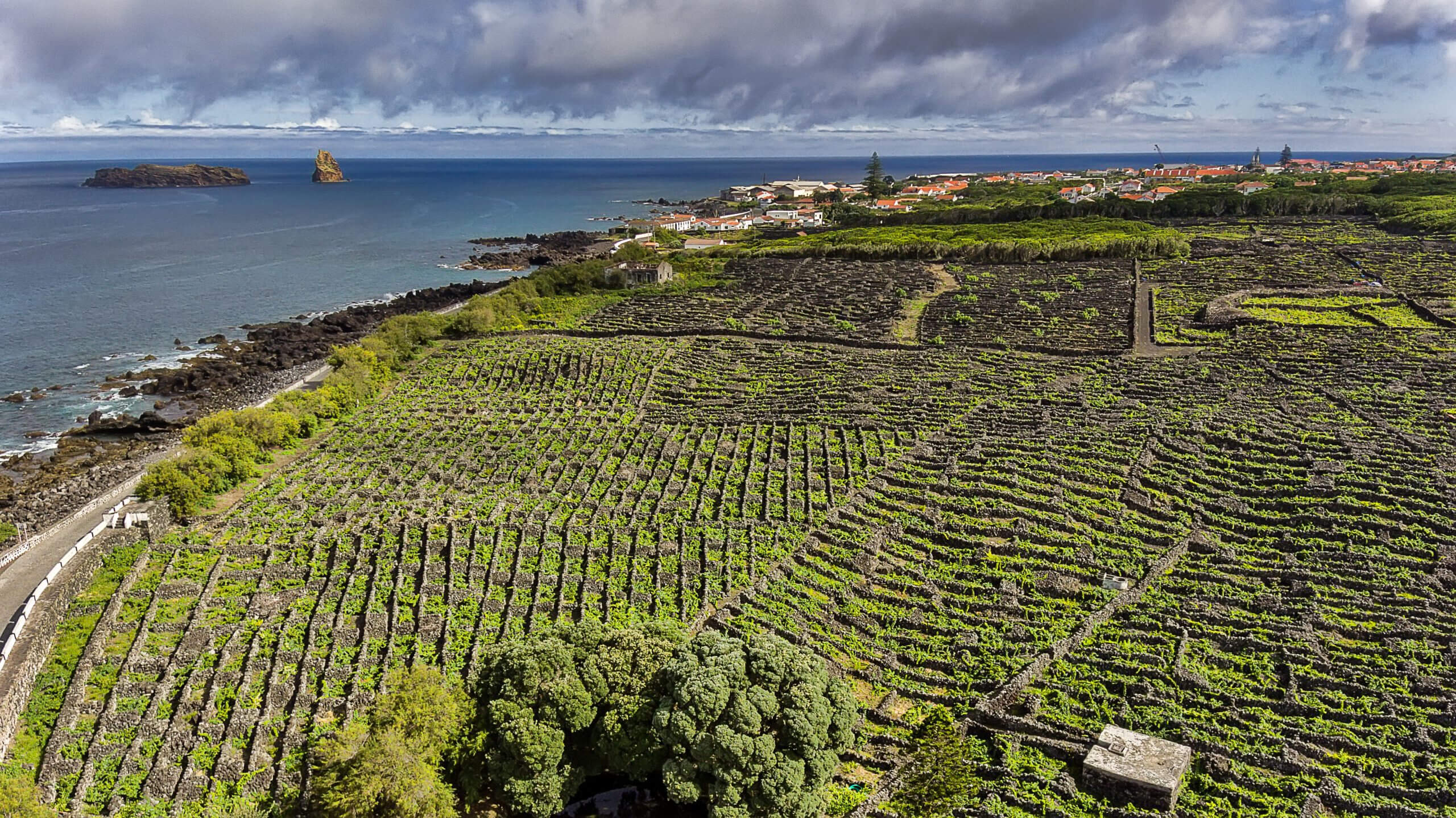
Dominating the horizon of the central group is Mount Pico, Portugal’s highest peak. At its base lies one of the most extraordinary agricultural landscapes in the world. The Landscape of the Pico Island Vineyard Culture is a UNESCO World Heritage site consisting of a vast network of stone walls (currais) built from black volcanic basalt.
These walls were designed to protect the grapevines from the salty Atlantic winds and to trap the sun’s heat. The result is a mineral-heavy, crisp volcanic wine that was once prized by Russian Czars. Walking through these labyrinths of stone, with the towering volcano on one side and the crashing ocean on the other, offers a cultural depth that complements the archipelago’s natural beauty.
Sustainable Travel in the World’s First Certified Archipelago
In 2026, the Azores continue to lead by example as the first archipelago in the world to be certified as a Sustainable Tourism Destination by EarthCheck. This isn’t just a marketing slogan; it involves strict regulations on the number of visitors allowed in sensitive areas and a heavy investment in renewable energy (geothermal and wind).
To visit responsibly, travelers are encouraged to stay in eco-certified accommodations, support local cooperatives, and respect the “leave no trace” principles on hiking trails. By choosing the Azores, you are supporting a model of tourism that prioritizes biodiversity over mass consumption.
Is it better to visit the Azores or Hawaii?
While Hawaii offers tropical warmth and world-famous surfing, the Azores provide a more temperate, rugged, and crowd-free experience. The Azores are significantly more affordable for European travelers and offer a unique blend of Portuguese culture and Atlantic wilderness. If you prefer hiking and solitude over luxury resorts and tropical heat, the Azores are likely the better choice.
What is the best month to visit the Azores?
The best time to visit the Azores is between June and September. During these months, the weather is most stable, and the iconic blue hydrangeas are in full bloom. However, for whale watching, the spring months (April and May) are ideal for spotting larger baleen whales.
Are the Azores expensive to visit?
Compared to Hawaii or mainland European hotspots like the Amalfi Coast, the Azores offer excellent value for money. Local food (especially seafood and dairy) is high quality and reasonably priced. The main costs involve inter-island flights or ferries, so planning a multi-island itinerary in advance is recommended.
Conclusion and Travel Tip
The Azores are a testament to the power of volcanic nature and the resilience of Atlantic culture. They offer a rare opportunity to see the world as it was—untamed, green, and quiet. Our top tip: Don’t try to see all nine islands in one trip. Focus on two or three (like São Miguel, Pico, and Faial) to truly absorb the slow pace of life known as “Açorianidade.” Pack a high-quality rain jacket—the weather can change in minutes, but that’s exactly what keeps the islands so breathtakingly green.