Beyond Mykonos: 5 Timeless Greek Islands to Discover in 2026
As we look toward the 2026 travel season, the allure of the Mediterranean remains as strong as ever. However, the travel landscape is shifting. While the iconic windmills of Mykonos and the blue domes of Santorini continue to draw record crowds, a new generation of travelers is seeking something deeper: authenticity, silence, and a connection to the “Old Greece” that existed before the era of beach clubs and mega-cruise ships.
Article summary
- Ano Koufonissi: The Turquoise Paradise of the Lesser Cyclades
- Naxos: The Fertile Heart of the Aegean
- Amorgos: The Island of the “Big Blue”
- Folegandros: The Sophisticated Underdog
- Kythira: The Island of Aphrodite
- What is the best month to visit the Greek Islands in 2026?
- Are these islands suitable for budget travelers?
- How do I get to the smaller Greek islands?
- Conclusion and Pro-Traveler Tip
In a world of filtered experiences, these five islands offer a raw, unfiltered beauty. They are places where the “slow living” philosophy isn’t a marketing slogan, but a way of life. From the turquoise lagoons of the Lesser Cyclades to the rugged mountains of Naxos, here are the destinations where time seems to have stood still.
Ano Koufonissi: The Turquoise Paradise of the Lesser Cyclades
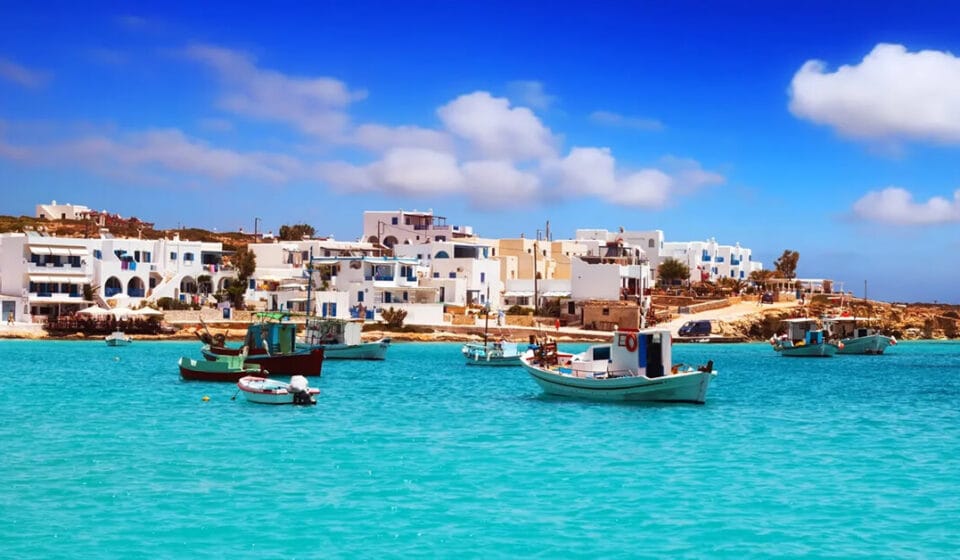
If you are looking for an island where your main mode of transport is your own feet, Ano Koufonissi is your sanctuary. Part of the Lesser Cyclades, this tiny speck of land boasts some of the most vibrant water in the Aegean. Unlike its neighbors, Koufonissi has resisted the urge to build large resorts, maintaining a charming village (Chora) that feels intimately connected to the sea.
- Why visit in 2026: As over-tourism reaches a breaking point in major hubs, Koufonissi offers a sustainable alternative where you can walk from the harbor to the famous Pori Beach in under 30 minutes.
- Don’t miss: The natural sea swimming pools at “The Devil’s Eye” and dinner at Capetan Nikolas for the freshest seafood in the Cyclades.
For more information on ferry schedules to these hidden gems, you can consult the official Greek Travel Pages.
Naxos: The Fertile Heart of the Aegean
While Naxos is the largest island in the Cyclades, it has managed to stay surprisingly grounded. It is one of the few islands that could survive without tourism, thanks to its rich agricultural heritage. Here, you will find mountain villages like Apiranthos, where the streets are paved with marble and the elders still speak in local dialects.
Naxos offers a stark contrast to the barren landscapes of Mykonos. It features lush valleys, ancient citrus groves, and the imposing Mount Zas, the highest peak in the Cyclades. It is the ultimate destination for those who want to combine golden sand beaches with serious hiking and historical exploration.
- The Portara: The massive marble gate of an unfinished temple to Apollo stands as a lonely sentinel at the harbor, offering the best sunset views in Greece. Check the exact location via Google Maps.
- Authentic Flavors: Sample the local Graviera Naxou cheese and the famous Naxian potatoes, which are celebrated across the country for their unique flavor.
Amorgos: The Island of the “Big Blue”
Amorgos is not for the faint of heart. It is a rugged, dramatic island characterized by steep cliffs and deep, indigo waters—immortalized in Luc Besson’s film The Big Blue. This island attracts poets, hikers, and those seeking spiritual solace. The highlight is undoubtedly the Monastery of Hozoviotissa, a white structure clinging precariously to a cliffside 300 meters above the sea.

The island’s atmosphere is one of profound quietude. In the Chora of Amorgos, often cited as one of the most beautiful in Greece, the nightlife consists of slow sips of Psimeni Raki (a local spiced spirit) under the stars rather than booming basslines.
Folegandros: The Sophisticated Underdog
Folegandros has often been called “the new Santorini,” but that does it a disservice. It lacks the crowds and the commercialism of its neighbor, retaining a bohemian, high-end simplicity. The Chora is built on the edge of a cliff, with three distinct squares linked together, creating a communal living room for locals and visitors alike.
The walk up to the Church of Panagia at sunset is a rite of passage. The zigzagging path offers panoramic views of the Aegean that rival any of the world’s most famous vistas. It is an island that rewards the patient traveler who enjoys long lunches and the sound of the wind.
Kythira: The Island of Aphrodite
Located at the junction of the Aegean and the Ionian seas, Kythira is often overlooked because of its distance from Athens. However, its isolation is its greatest asset. It is a crossroads of cultures, where Venetian architecture meets traditional Greek whitewashed houses. From the waterfalls of Mylopotamos to the abandoned medieval town of Paleochora, Kythira feels like a world unto itself.

For those looking to understand the cultural significance of these sites, the Greek National Tourism Organization provides excellent resources on the island’s diverse history.
What is the best month to visit the Greek Islands in 2026?
For those seeking the “forgotten by time” experience, timing is everything. While July and August are the peak months, the shoulder seasons of June and September are ideal. During these months, the weather is perfect for swimming, the ferries run frequently, and the local tavernas are far less crowded, allowing for genuine interactions with the residents.
Are these islands suitable for budget travelers?
Generally, islands like Naxos and Ano Koufonissi offer much better value for money than Mykonos or Santorini. Accommodations are more affordable, and the cost of dining is significantly lower. Because Naxos produces its own food, the prices for high-quality local ingredients are some of the most competitive in the Cyclades.
How do I get to the smaller Greek islands?
Most of these islands are accessible via ferry from the ports of Piraeus or Rafina in Athens. For islands like Ano Koufonissi, you may need to take a larger ferry to Naxos first and then transfer to the legendary Express Skopelitis, a small local ferry that has been connecting the Lesser Cyclades for decades and is an experience in itself.
Conclusion and Pro-Traveler Tip
The secret to discovering the authentic soul of Greece in 2026 lies in slowing down. Don’t try to “island hop” through five islands in seven days. Instead, pick one or two, stay for a week, and learn the names of the people who serve you coffee.
Useful Tip: When visiting smaller islands like Amorgos or Folegandros, always carry some cash. While credit cards are increasingly accepted, many small family-run tavernas and local craft shops still prefer cash, and ATMs can occasionally run out during busy weekends. Embracing these small “inconveniences” is part of the charm of traveling to places where the modern world hasn’t quite taken over yet.