Exploring the underrated fairytale towns of Poland on a weekend trip
While Europe’s most famous capitals struggle under the weight of over-tourism, a quiet, colorful revolution is happening in the East. Poland, a country often relegated to a single-city visit to Krakow, hides a collection of “fairytale” urban centers that rival the charm of Bruges or Prague—without the shoulder-to-shoulder crowds. From the amber-scented alleys of the Baltic coast to the whimsical, dwarf-inhabited squares of Lower Silesia, exploring Poland is like stepping into a storybook where the Old World atmosphere remains untouched, the architecture is a technicolor dream, and the prices remain refreshingly accessible.
Article summary
- Wrocław: The City of 600 Dwarves and Gothic Magic
- Gdańsk: The Amber Capital with a Dutch Soul
- Poznań and the Renaissance Charm of Old Town Square
- The Culinary Scene: Hearty Flavors at Affordable Prices
- Hidden Courtyards and Secret Art Installations
- Planning a Seamless Polish Weekend: Logistics and Transport
- Is Poland expensive for a weekend trip?
- Is it easy to travel between Polish cities by train?
- Which is better to visit, Wrocław or Gdańsk?
- Conclusion and Travel Tip
Whether you are a photography enthusiast chasing the perfect sunset glow on a Renaissance facade or a foodie looking for Michelin-level flavors on a “Milk Bar” budget, a weekend trip through Poland’s underrated gems offers a seamless blend of Gothic mystery and modern vibrancy. Pack your walking shoes and a sense of wonder; we are heading into the heart of Central Europe’s best-kept secrets.
Wrocław: The City of 600 Dwarves and Gothic Magic
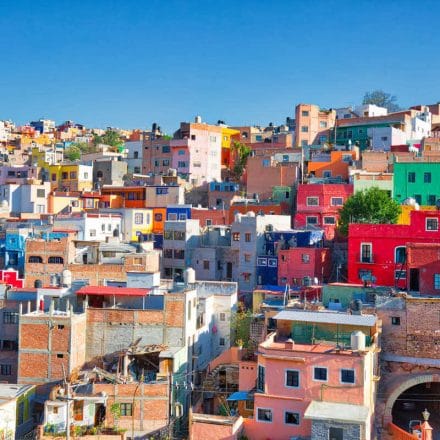
Often referred to as the “Venice of Poland” due to its numerous islands and bridges, Wrocław is perhaps the most whimsical city in Europe. The heart of the city is the Rynek (Market Square), one of the largest and most stunning squares in the world, lined with pastel-colored townhouses that seem to glow at dusk. However, the city’s true charm lies in its smallest residents: over 600 bronze dwarves (krasnale) hidden in plain sight.
Hunting for these dwarves has become a beloved interactive activity for travelers. You’ll find them doing everything from drinking beer to using miniature ATMs, each representing a piece of the city’s history or a nod to the “Orange Alternative” anti-communist movement. For a shift in atmosphere, cross the Tumski Bridge to Ostrów Tumski (Cathedral Island). This is the oldest part of the city, a place of Gothic magic where a real-life lighthouse keeper still hand-lights the gas lamps every evening. It is a silent, sacred space that feels entirely disconnected from the 21st century.
Gdańsk: The Amber Capital with a Dutch Soul
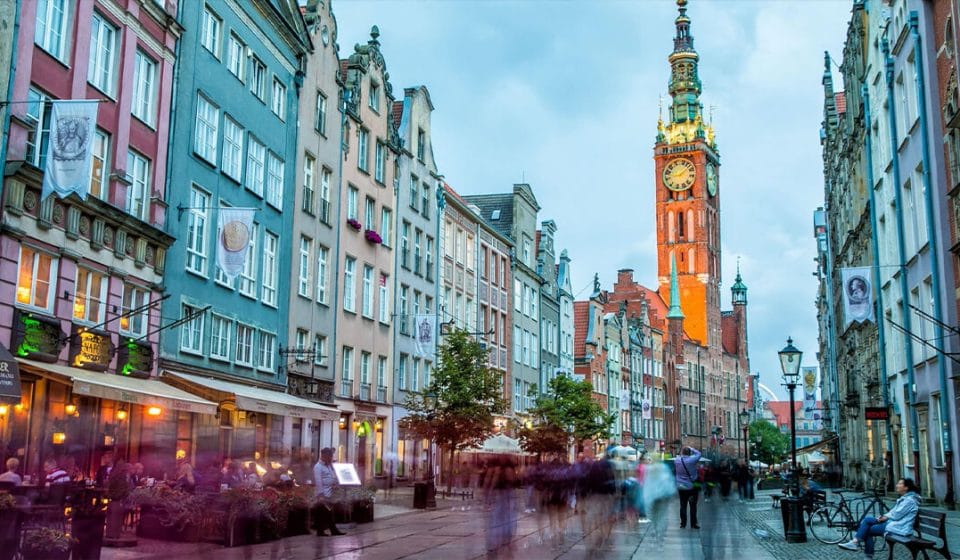
Perched on the edge of the Baltic Sea, Gdańsk offers an architectural aesthetic that feels surprisingly familiar yet entirely unique. Much of the city’s historic center was influenced by wealthy merchants from the Low Countries, resulting in narrow, gabled buildings and intricate facades that strongly resemble Amsterdam. Walking down the Long Market (Długi Targ), you are surrounded by the legacy of the Hanseatic League.
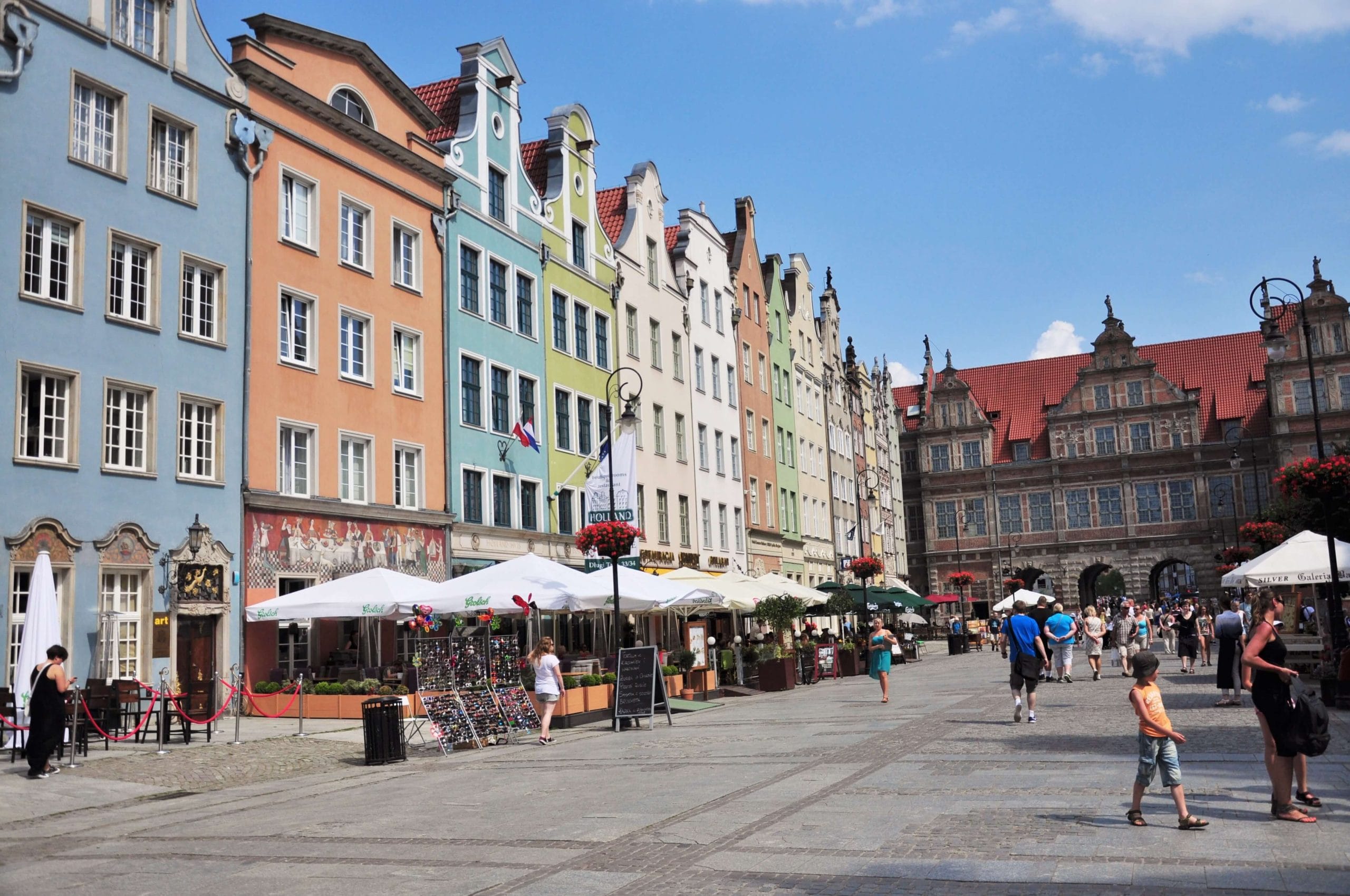
The city is globally recognized as the World Capital of Amber. You can find “Baltic Gold” in almost every shop along Mariacka Street, arguably one of the most beautiful streets in Europe with its ornate rain gutters and cobblestone porches. For those interested in more than just aesthetics, the Official Gdańsk Tourism Portal provides excellent walking routes that cover both the medieval history and the city’s pivotal role in the 20th-century Solidarity movement.
Poznań and the Renaissance Charm of Old Town Square
While many travelers bypass Poznań on their way from Berlin to Warsaw, those who stop are rewarded with a masterclass in Renaissance beauty. The Old Town Square is a kaleidoscope of painted facades, each more intricate than the last. The star of the show, however, is the Town Hall. Every day at noon, a crowd gathers to watch two mechanical goats emerge from the clock tower to butt heads 12 times—a tradition dating back to 1551.
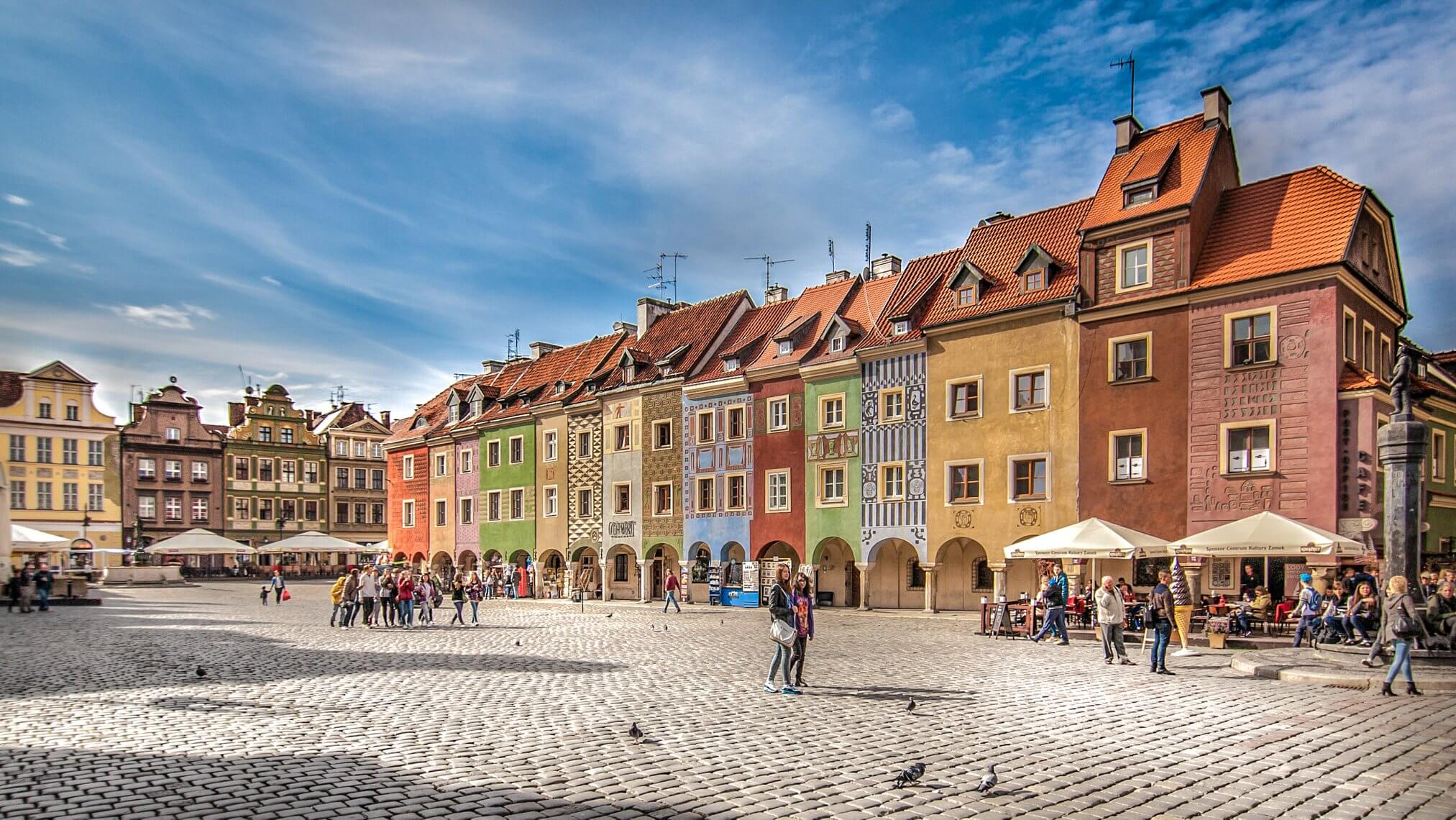
Beyond the goats, Poznań is a hub of vibrant energy. The “Bamberka” houses with their vivid murals and the sheer symmetry of the square make it a photographer’s paradise. It is arguably the most underrated fairytale town in the country, offering a compact, walkable experience that encapsulates the “Old Europe” vibe perfectly.
The Culinary Scene: Hearty Flavors at Affordable Prices
One cannot explore Poland without indulging in a culinary scene that balances tradition with modern flair. Polish gastronomy is famously hearty, designed to sustain you through long walks in the Old Town. The undisputed king of the table is the Pierogi—dumplings filled with everything from savory potato and cheese (Ruskie) to sweet seasonal berries.
For an authentic and budget-friendly experience, look for a Bar Mleczny (Milk Bar). These are state-subsidized cafeterias that date back to the socialist era, serving traditional staples like Żurek (sour rye soup) and Bigos (hunter’s stew) at incredibly low prices. Today, these spots are frequented by everyone from students to businessmen, providing a communal dining experience that is uniquely Polish. For a map of top-rated local eateries, Google Maps remains the most reliable tool for finding “hidden gem” Milk Bars tucked away in side streets.
Hidden Courtyards and Secret Art Installations
The beauty of Polish cities isn’t just on the main boulevards; it’s hidden behind the heavy wooden doors of residential buildings. Cities like Wrocław and Poznań are famous for their secret courtyards. In Wrocław’s Nadodrze district, you’ll find courtyards where the walls are covered in massive 3D murals and ceramic installations created by local residents and artists.
These spaces transform the urban landscape into a living gallery. Finding them requires a bit of curiosity—following a narrow passage or peering through an iron gate often leads to a lush, flower-filled patio or a surrealist art piece. These spots offer the quietest, most intimate glimpses into the local soul, far away from the souvenir stands.
Planning a Seamless Polish Weekend: Logistics and Transport
Poland is remarkably easy to navigate, making a multi-city weekend trip entirely feasible. The PKP Intercity railway network connects Wrocław, Poznań, and Gdańsk with high-speed, affordable trains. Booking in advance can save you significant costs and ensure a seat on the popular Pendolino routes.
- Currency: Poland uses the Złoty (PLN). While cards are accepted almost everywhere, keeping a few coins for small stalls or public restrooms is wise.
- Best Time to Visit: Late spring (May-June) or early autumn (September-October) offers mild weather and stunning natural light without the winter chill or the peak summer crowds.
- Language: English is widely spoken by the younger generation and in the hospitality sector, though a “Dziękuję” (Thank you) is always appreciated.
Is Poland expensive for a weekend trip?
No, Poland remains one of the most affordable destinations in Europe. Compared to Western European hubs, you can expect to pay significantly less for high-quality accommodation, public transport, and dining. A full meal at a traditional restaurant often costs less than a simple sandwich in London or Paris.
Is it easy to travel between Polish cities by train?
Yes, the PKP Intercity system is efficient and modern. Most major “fairytale” towns are connected by direct lines, with travel times between cities like Poznań and Wrocław taking under two hours. It is highly recommended to use the official PKP app for real-time updates.
Which is better to visit, Wrocław or Gdańsk?
It depends on your vibe! If you love medieval mystery, rivers, and quirky activities (like dwarf hunting), choose Wrocław. If you prefer maritime history, amber shopping, and Dutch-inspired architecture, Gdańsk is your best bet. Both are equally “fairytale” in their own right.
Conclusion and Travel Tip
Poland’s underrated towns offer a rare commodity in modern travel: authenticity. By stepping away from the most obvious tourist paths, you find a version of Europe that is both vibrant and steeped in history. Pro Tip: When visiting the Rynek in any Polish city, look for the “Brama” (gateways) leading off the main square; the best local artisan coffee shops are almost always found two blocks away from the main tourist hub, offering better prices and a much calmer atmosphere.