


Art and spirituality at the stunning temples of Chiang Mai
In the mist-covered mountains of Northern Thailand, Chiang Mai stands as a sanctuary where the ancient and the modern coexist in a delicate dance. Known as the “Rose of the North,” this city is home to over 300 temples, each a masterpiece of Lanna architecture and a beacon of Buddhist serenity. For the conscious traveler, a journey here is not just about checking off landmarks; it is a deep dive into an artistic heritage that breathes through gold leaf, intricate woodcarvings, and the rhythmic chanting of saffron-robed monks. Whether you are seeking the quietude of a jungle retreat or the intellectual spark of a monk chat, Chiang Mai offers a transformative experience that transcends the typical tourist trail.
Article summary
- Beyond the Gold: The Intricate Art of Lanna Temples
- Monk Chat Sessions: A Glimpse into Monastic Life
- Secret Temples Tucked Away in the Chiang Mai Jungle
- Meditation Workshops for Inner Peace in Northern Thailand
- Temple Etiquette and Cultural Respect for Travelers
- Capturing the Spiritual Beauty of Chiang Mai Through Art
- What is the most famous temple in Chiang Mai?
- Can foreigners join meditation retreats in Chiang Mai?
- Is there an entrance fee for temples in Chiang Mai?
- Conclusion & Pro-Tip
Beyond the Gold: The Intricate Art of Lanna Temples
To understand Chiang Mai, one must first appreciate the Lanna Kingdom’s unique aesthetic. Unlike the towering prangs of Ayutthaya, Lanna temples feature low-slung, multi-tiered roofs that mirror the surrounding mountains. The artistry is found in the details: teak wood carvings so delicate they look like lace and vibrant glass mosaics that catch the tropical sun.
- Wat Phra Singh: A prime example of classic Lanna style, housing the lion Buddha and featuring exquisite murals depicting local life centuries ago.
- Mirror Work: Look closely at the gables of smaller temples; the tiny pieces of colored glass are designed to ward off evil spirits while reflecting the “light of dharma.”
- Naga Serpents: These mythical creatures guard temple entrances, symbolizing the bridge between the human and divine realms.
For more on the history of these structures, the Official Tourism Authority of Thailand provides extensive historical context.
Monk Chat Sessions: A Glimpse into Monastic Life
One of the most profound cultural exchanges available in Chiang Mai is the Monk Chat. These informal sessions, often held under the shade of a Bodhi tree, allow visitors to ask questions about Buddhism, karma, or the daily routine of a monk. In return, the monks—many of whom are students—get to practice their English.
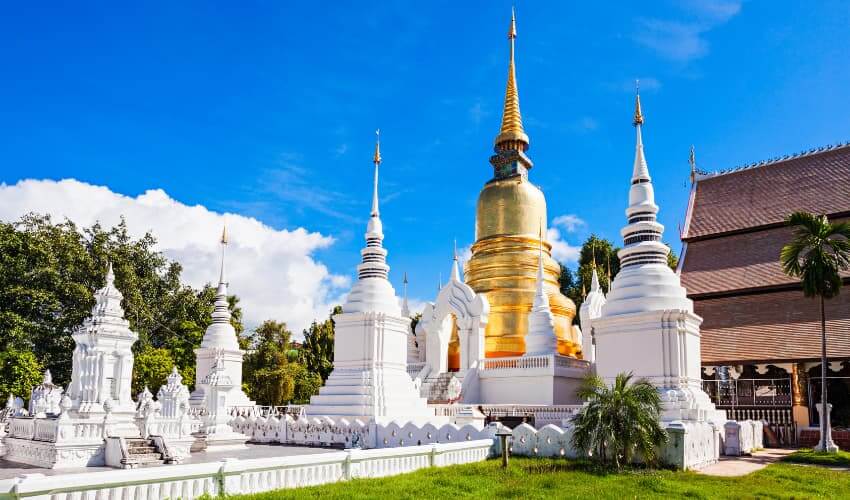
It is a rare moment of human connection that demystifies the monastic life. You’ll learn that behind the stoic expressions are individuals with a deep sense of humor and a vast knowledge of philosophy. Popular spots for these sessions include Wat Chedi Luang and Wat Suan Dok.
Secret Temples Tucked Away in the Chiang Mai Jungle
While the city center buzzes with energy, some of the most spiritual sites are reclaimed by nature. Wat Pha Lat (The Monastery at the Sloping Falls) is a hidden gem located halfway up the trail to Doi Suthep. Unlike the gilded city temples, Wat Pha Lat is integrated into the forest, with moss-covered stones and Buddha statues nestled among tree roots.
Exploring these “off-the-beaten-path” locations allows for a more intimate connection with the environment. You can find its exact location via Google Maps to plan your hike along the ancient “Monk’s Trail.”
Meditation Workshops for Inner Peace in Northern Thailand
Chiang Mai is a global hub for Vipassana meditation. Many temples offer structured workshops ranging from a few hours to 10-day silent retreats. These programs are led by expert practitioners who guide you through mindfulness techniques and walking meditations.
Wat Umong, with its unique tunnel system, provides a hauntingly beautiful backdrop for meditation. Here, the focus is on the “here and now,” stripping away the distractions of digital life to find a sense of inner clarity and balance.
Temple Etiquette and Cultural Respect for Travelers
To honor the sanctity of these spaces, travelers must adhere to traditional temple etiquette. Remember that these are active places of worship, not just photo backdrops.
- Dress Modestly: Shoulders and knees must be covered. A sarong is a handy item to carry in your daypack.
- Remove Shoes: Always take off your footwear before entering the main prayer hall (Viharn).
- Mind Your Feet: Never point your feet at a Buddha image or a person, as the feet are considered the lowest part of the body.
- Quiet Presence: Keep voices low and avoid intrusive photography during ceremonies.
Capturing the Spiritual Beauty of Chiang Mai Through Art
Instead of just snapping a quick photo, consider sketching or journaling in the temple courtyards. The slow pace of drawing allows you to notice the curve of a roof or the expression on a stone guardian. Many local artists offer workshops near Wat Ram Poeng, encouraging visitors to express their spiritual journey through watercolors or charcoal. This ethical photography and creative engagement ensure you leave with a memory that is deeply personal rather than just digital.
What is the most famous temple in Chiang Mai?
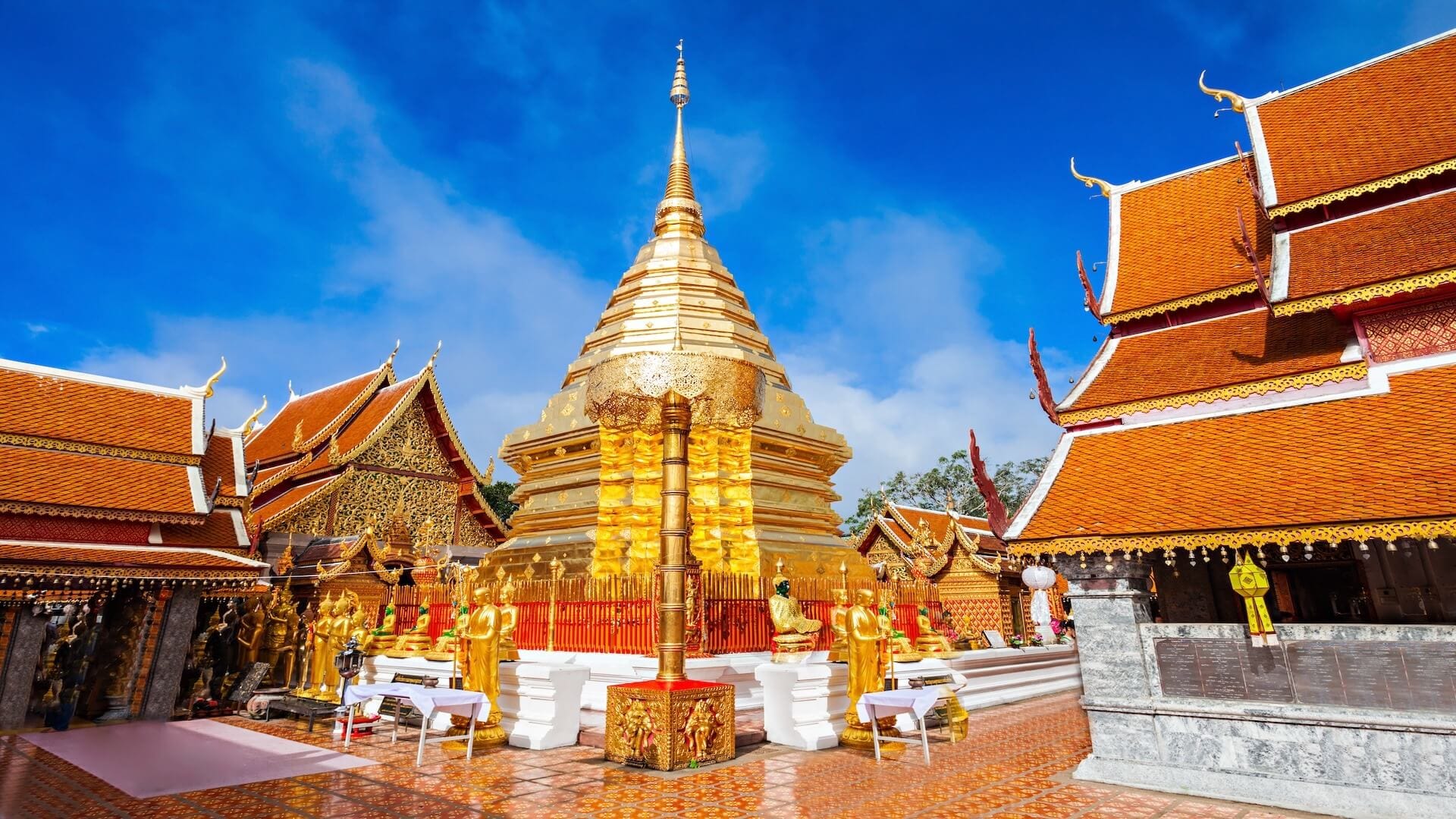
Wat Phra That Doi Suthep is undoubtedly the most famous. Perched on a mountain overlooking the city, it is a sacred pilgrimage site accessible by a 306-step staircase flanked by majestic Nagas.
Can foreigners join meditation retreats in Chiang Mai?
Yes, many temples welcome international visitors. The UNESCO Culture sector often highlights the importance of preserving these intangible heritage practices like meditation, which are open to all who approach with respect.
Is there an entrance fee for temples in Chiang Mai?
Most smaller temples are free, though a small donation (20–50 Baht) is appreciated. Major sites like Doi Suthep or Wat Phra Singh may charge a modest fee for foreign visitors to help with maintenance.
Conclusion & Pro-Tip
Chiang Mai’s temples are more than just architectural wonders; they are living classrooms for the soul. To truly experience the magic, visit at sunrise. You will witness the daily alms-giving ceremony (Tak Bat), where monks walk through the streets in silence—a powerful reminder of the community’s shared spirituality. Pro-tip: Always carry a reusable water bottle and a light scarf; it stays cool in the jungle temples, and staying hydrated is key to enjoying your spiritual trek!


