Discovering the rich Gullah Geechee heritage of the South Carolina Lowcountry
Beyond the manicured gardens and cobblestone streets of Charleston lies a world where time moves to the rhythm of the tides and the rustle of marsh grass. This is the Gullah Geechee Cultural Heritage Corridor, a coastal stretch where the descendants of enslaved West Africans have preserved a culture so distinct and vibrant it feels like a portal to another continent. For the soulful traveler, the South Carolina Lowcountry isn’t just a destination—it’s a living museum of resilience, art, and flavors that have shaped the American identity.
Article summary
- The Living History of the Gullah Geechee People
- Exploring the Cultural Heart of St. Helena and Wadmalaw Islands
- Authentic Lowcountry Flavors from Gullah Red Rice to Seafood Boils
- Traditional Sweetgrass Basketry and Local Art Galleries
- Spiritual Sites and the Influence of Gullah Traditions
- How to Experience Gullah Culture Respectfully in Charleston
- What is the difference between Gullah and Geechee?
- Can you still hear the Gullah language today?
- Where is the best place to see Gullah culture near Charleston?
- Conclusion & Pro-Tip
The Living History of the Gullah Geechee People
The story of the Gullah Geechee people begins with a tragic forced migration, yet it evolved into one of the most remarkable stories of cultural preservation in the Western Hemisphere. Brought to the isolated sea islands to labor on rice, indigo, and cotton plantations, these ancestors hailed primarily from the “Rice Coast” of West Africa. Because of their geographic isolation, they maintained a unique English-based creole language and traditions that remain remarkably close to their African roots.
Walking through the Lowcountry today, you can still hear the melodic cadence of the Gullah tongue. It is more than just a dialect; it is a linguistic bridge connecting modern-day South Carolina to countries like Sierra Leone and Guinea. This heritage is officially recognized and protected by the National Park Service, ensuring that the legacy of these “Keepers of the Culture” continues to thrive.
Exploring the Cultural Heart of St. Helena and Wadmalaw Islands
To truly experience Gullah culture in its purest form, one must venture away from the mainland. St. Helena Island stands as the spiritual and educational epicenter of the community. Here, you will find the Penn Center, a National Historic Landmark District that served as one of the first schools for freed slaves. It later became a safe haven for Dr. Martin Luther King Jr. during the Civil Rights Movement.
- Penn Center: Explore the York W. Bailey Museum to understand the transition from slavery to self-sufficiency.
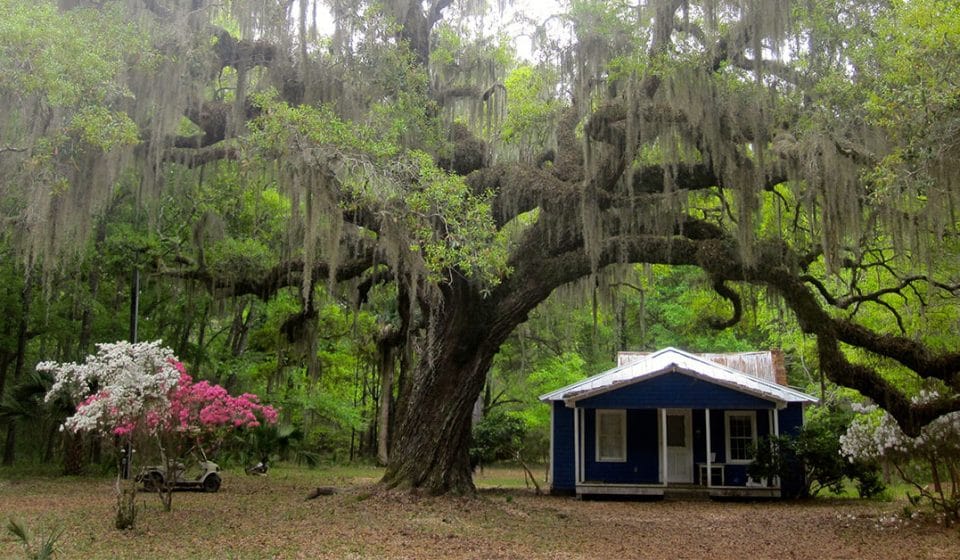
- Wadmalaw Island: A quieter, rural escape where oak trees draped in Spanish moss shade ancestral lands and small family farms.
- The Old Beaufort District: Witness the tabby architecture—a unique building material made of crushed oyster shells, lime, and sand.
Authentic Lowcountry Flavors from Gullah Red Rice to Seafood Boils
Lowcountry cuisine is synonymous with Gullah cooking. This is “one-pot” soul food, born from necessity and the bounties of the Atlantic Ocean. The cornerstone of this diet is Carolina Gold Rice, a grain that once made South Carolina the wealthiest colony in America, thanks to the specialized knowledge of West African farmers.
Key dishes you must try include:
- Gullah Red Rice: A savory blend of rice, tomatoes, smoked sausage, and bacon.
- Frogmore Stew: Also known as a Lowcountry Boil, featuring fresh shrimp, corn on the cob, potatoes, and sausage.
- Okra Soup: A thick, nutritious stew highlighting a vegetable brought directly from Africa.
Traditional Sweetgrass Basketry and Local Art Galleries
Along Highway 17 and in the heart of Charleston’s City Market, you will see artisans meticulously weaving Sweetgrass Baskets. This isn’t just a souvenir; it is one of the oldest African-origin handicrafts in the U.S. Each basket is coiled by hand using marsh grass and palmetto leaves, a technique passed down through generations of Gullah families.
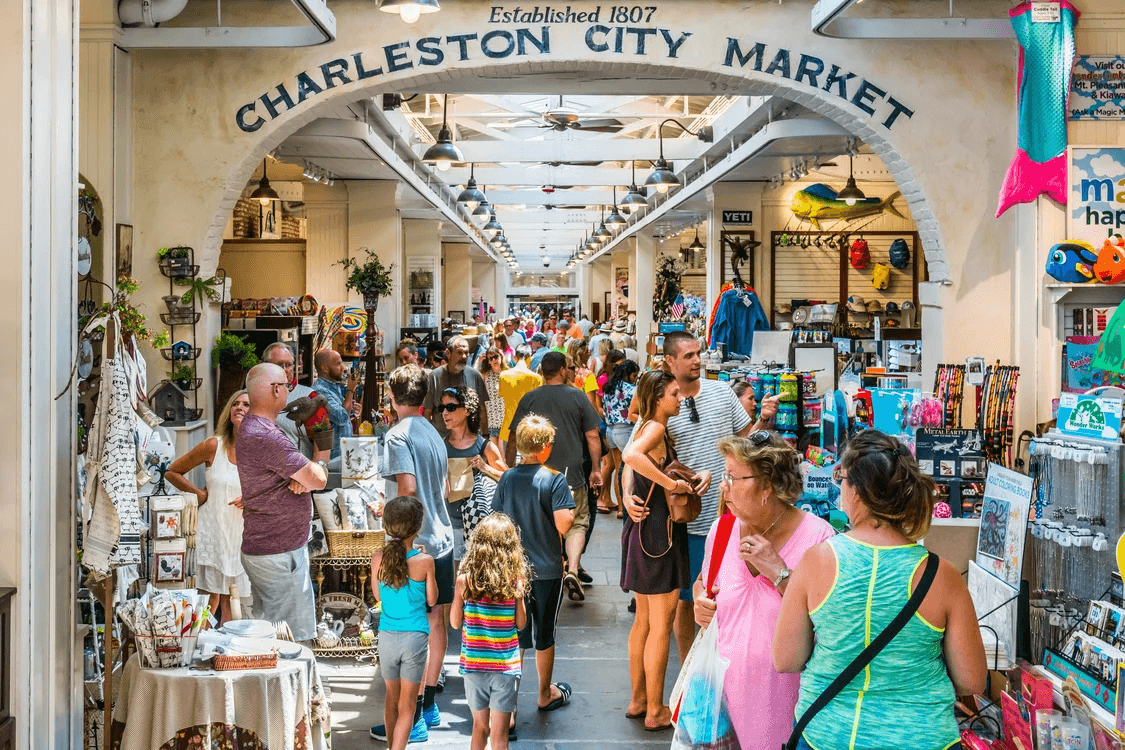
Beyond the baskets, the local art scene is a vivid explosion of color. Artists like the late Jonathan Green have immortalized the Gullah lifestyle through paintings that celebrate everyday scenes of community, faith, and labor. You can find these authentic expressions in galleries throughout the Charleston City Market area.
Spiritual Sites and the Influence of Gullah Traditions
Spirituality is the thread that binds the Gullah Geechee community together. Historically, the church was the only place where enslaved people could gather freely. This gave rise to the “Shout” or “Ring Shout”—a rhythmic, soulful form of worship involving shuffling feet and clapping hands, which deeply influenced the evolution of jazz and blues.
Visiting historic praise houses or attending a Sunday service on the islands offers a glimpse into a faith that is both deeply Christian and uniquely African in its ancestral reverence.
How to Experience Gullah Culture Respectfully in Charleston
Tourism can be a powerful tool for preservation, but it must be practiced with intention. To ensure your visit supports the actual community, follow these ethical travel tips:
- Hire Gullah-owned tour operators: Look for guides who are direct descendants of the community.
- Buy Direct: Purchase sweetgrass baskets directly from the roadside stands to ensure the artist receives the full benefit.
- Ask Permission: Before photographing people or private praise houses, always ask for consent.
What is the difference between Gullah and Geechee?
While often used interchangeably, Gullah typically refers to the community in the Lowcountry of South Carolina, while Geechee is more commonly used to describe the community in the coastal areas of Georgia and Florida. Both share the same West African roots and linguistic foundations.
Can you still hear the Gullah language today?
Yes. While it is spoken less frequently in urban centers, the Gullah language is still used in daily life on islands like St. Helena and Daufuskie. It is also preserved through Gullah-language bibles and cultural festivals.
Where is the best place to see Gullah culture near Charleston?
The McLeod Plantation Historic Site and the Gullah Geechee Tours departing from downtown Charleston are excellent starting points. For a deeper dive, a day trip to the Penn Center on St. Helena Island is highly recommended.
Conclusion & Pro-Tip
Discovering Gullah Geechee heritage is more than just a history lesson; it is an immersive sensory experience that challenges our understanding of American culture. It is a reminder that the soul of the South is built on a foundation of incredible strength and creativity.
Traveler’s Tip: If you are visiting in late May or early June, don’t miss the Gullah Festival in Beaufort. It is the best opportunity to see traditional drumming, storytelling, and “shouting” all in one place!