


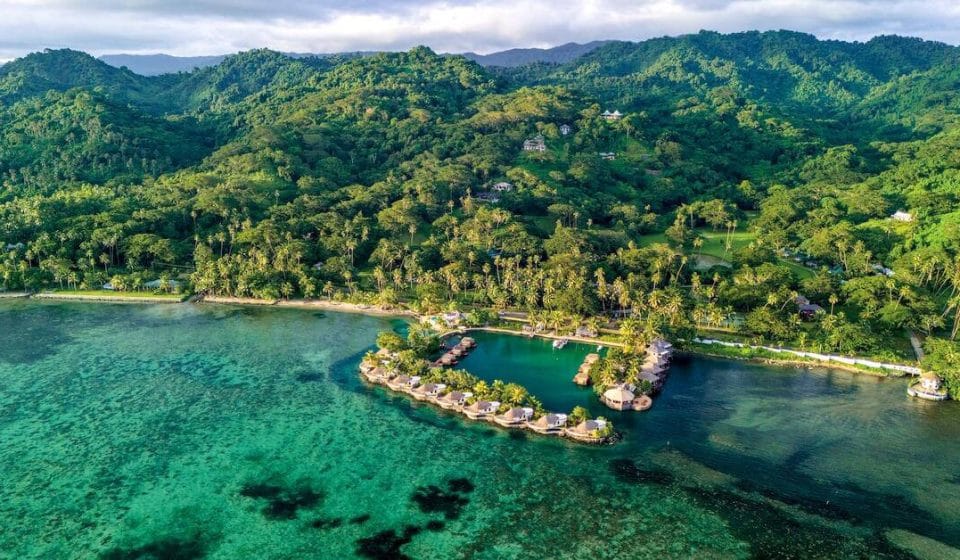
Fiji has long been the poster child for tropical paradise, defined by its crystalline waters and swaying palms. However, a new wave of travel is washing over the 333 islands of this South Pacific archipelago. Travelers are no longer content with just “leaving no trace”; they want to leave the islands better than they found them. This is regenerative travel—a conscious shift from passive observation to active participation in the healing of ecosystems and the flourishing of local cultures.
Article summary
- Understanding Regenerative Travel Beyond Sustainable Tourism
- Coral Reef Restoration: Hands-On Marine Conservation
- Authentic Village Stays: Immersive Cultural Exchange
- Volunteering with Purpose: Mangrove Reforestation Projects
- Supporting Farm-to-Table Initiatives and Island Permaculture
- Choosing Eco-Certified Operators and Regenerative Resorts
- What is the difference between sustainable and regenerative travel?
- Do I need a permit to visit a Fijian village?
- Can I volunteer in Fiji without a long-term commitment?
- Conclusion: The Regenerative Mindset
Imagine diving into a turquoise lagoon not just to see the fish, but to repair the very reef they call home, or sharing a bowl of Kava with a village chief, knowing your stay directly funds the local school. If you are ready to transform your vacation into a legacy of positive impact, here is your comprehensive guide to planning a regenerative journey through Fiji.
Understanding Regenerative Travel Beyond Sustainable Tourism
While “sustainable tourism” focuses on minimizing negative impacts—reducing plastic or saving water—regenerative travel aims to create a net-positive effect. It moves the needle from “doing no harm” to “doing good.” In Fiji, this means recognizing that the islands are a living, breathing system where the environment and the community are inextricably linked.
When you choose a regenerative path, you become a partner in Fiji’s future. You aren’t just a consumer of scenery; you are a contributor to the prosperity of the ecosystem. Whether it’s through financial contributions, labor, or cultural exchange, your presence helps restore what has been depleted and strengthens the social fabric of the “Bula” spirit.
Coral Reef Restoration: Hands-On Marine Conservation
The vibrant coral reefs of Fiji are the lifeblood of the islands, yet they face significant threats from rising sea temperatures. Regenerative travelers can take a literal “deep dive” into conservation by participating in coral planting programs. Many resorts in the Mamanuca and Yasawa Islands have partnered with marine biologists to create underwater nurseries.
- Coral Gardening: Guests can learn to attach “super coral” fragments—genetically resilient pieces—to specialized frames.
- Monitoring: Some programs allow you to snorkel through nurseries to clean algae off young corals, ensuring their survival.
- Education: Most experiences begin with a workshop on marine biology, giving you a scientific perspective on the Pacific’s biodiversity.
By helping to rebuild these natural barriers, you are protecting the coastlines from erosion and ensuring that future generations can witness the “Soft Coral Capital of the World.”
Authentic Village Stays: Immersive Cultural Exchange
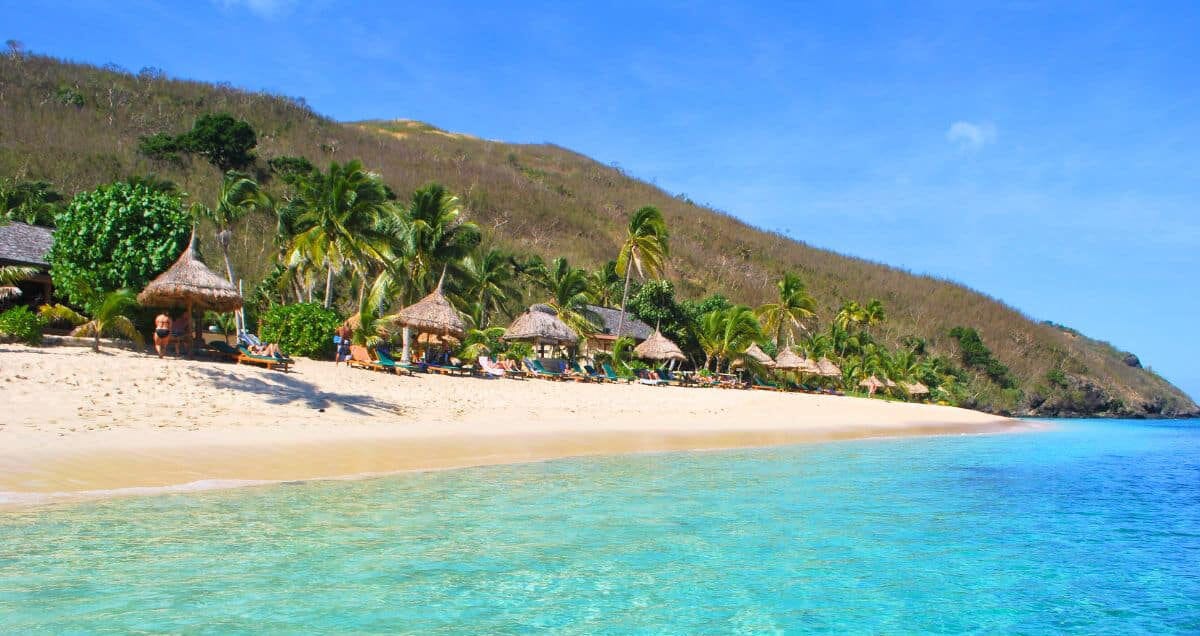
To truly understand Fiji, you must leave the resort gates and enter the Koro (village). Authentic village stays or homestays provide a direct line of support to local families and ensure that tourism dollars stay within the community. However, this requires a deep respect for iTaukei (indigenous Fijian) traditions.
The cornerstone of any village visit is the Sevu-sevu protocol. This involves presenting a gift of Kava root (Yaqona) to the village headman or chief. This ceremony isn’t just a performance; it is a legal and spiritual entrance into the community. Boldly respecting these customs fosters a sense of equality and mutual respect, turning a simple visit into a profound human connection.
Volunteering with Purpose: Mangrove Reforestation Projects
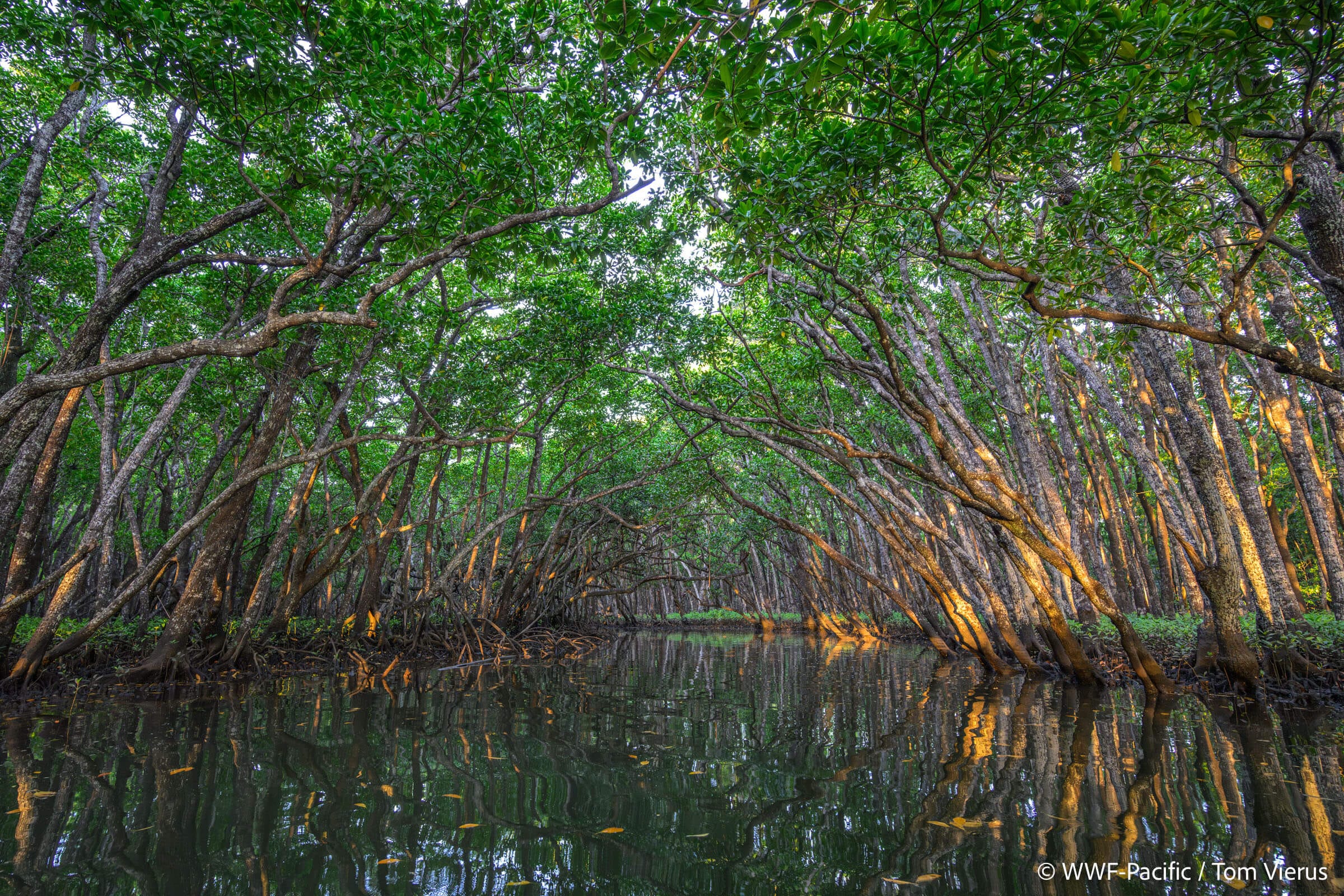
While the reefs get the glamour, the mangrove forests are Fiji’s unsung heroes. These coastal forests act as massive carbon sinks and nurseries for marine life. Along the coasts of Viti Levu, several NGOs and community groups lead mangrove reforestation projects.
Travelers can spend a morning getting their hands dirty, planting seedlings in the mud flats. These projects are essential for coastal protection against the intensifying storms of the South Pacific. It is a tangible way to offset the carbon footprint of your flight while providing a habitat for countless species. Check out the initiatives supported by the Tourism Fiji “Travel Kindly” initiative for verified opportunities.
Supporting Farm-to-Table Initiatives and Island Permaculture
Fiji’s remote location often leads to a high reliance on imported foods, which increases the carbon footprint of your meal. Regenerative travelers look for resorts that prioritize island permaculture and farm-to-table dining.
Look for accommodations that manage their own organic gardens or source directly from neighboring village farms. These initiatives do more than just provide fresh papaya and taro; they support local food security and preserve traditional agricultural techniques. Dining this way ensures your appetite contributes to the local economy rather than global shipping emissions.
Choosing Eco-Certified Operators and Regenerative Resorts
Not every “green” label is created equal. When booking, look for operators that hold certifications from recognized bodies like the Global Sustainable Tourism Council (GSTC) or local accolades like the Fiji Excellence in Tourism Awards.
Regenerative resorts distinguish themselves by their transparency. They often have dedicated foundations that direct a portion of every guest’s nightly rate toward community education, healthcare, or clean water initiatives. Before you book, check the resort’s “Impact” page to see exactly where their profits go. Organizations like The World Tourism Organization (UNWTO) emphasize that the future of travel depends on this kind of corporate accountability.
What is the difference between sustainable and regenerative travel?
Sustainable travel aims to maintain the status quo and minimize damage. Regenerative travel seeks to actively improve and restore the destination, ensuring the environment and community are in a better state because of the visitor’s presence.
Do I need a permit to visit a Fijian village?
While you don’t need a government permit, you must be invited or go through an organized cultural tour. Always arrive with Kava root for the Sevu-sevu and dress modestly (shoulders and knees covered) to respect local norms.
Can I volunteer in Fiji without a long-term commitment?
Yes. Many resorts and local agencies offer “micro-volunteering” opportunities, such as one-day coral planting or mangrove potting sessions, which are perfect for short-term travelers.
Conclusion: The Regenerative Mindset
Planning a regenerative trip to Fiji is less about the itinerary and more about the intention. It’s about slowing down, asking questions, and being willing to contribute your time and energy to the islands that give us so much beauty.
Quick Tip: Before you leave, pack a “reusable kit” (bottle, straw, bag) and research one local NGO in the area you are visiting. Even a small donation or a few hours of your time can create a ripple effect of positive change across the archipelago.