


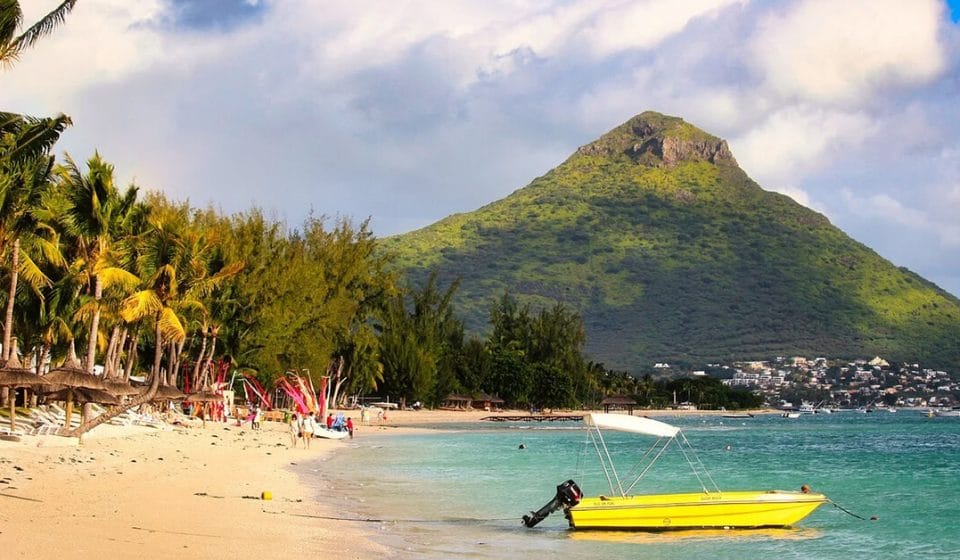
For decades, the mention of Mauritius has conjured a very specific image: sugar-white sands, turquoise lagoons, and luxury resorts tailored for honeymooners. While the coastline is undeniably stunning, a new wave of travelers in 2026 is looking inland. Beyond the reef lies a rugged, volcanic soul defined by emerald peaks, plunging waterfalls, and rare endemic species found nowhere else on Earth. If you think Mauritius is just for sunbathing, you’re missing the heartbeat of the Indian Ocean. From the heights of UNESCO World Heritage sites to the depths of ancient ebony forests, here is why your next trip should be about boots, not just flip-flops.
Article summary
- Black River Gorges: The Verdant Heart of Mauritius
- Scaling Le Morne Brabant: A UNESCO Hike with a Story
- Chamarel Seven Coloured Earth and the 100-Meter Waterfall
- Encountering Endemic Wildlife at Île aux Aigrettes
- Adventure Activities: From Quad Biking to Ziplining in Ebony Forest
- Tamarind Falls: The Ultimate 7 Cascades Trekking Experience
- Is Mauritius good for hiking?
- What is the best time of year to hike in Mauritius?
- Do I need a guide for hiking in Mauritius?
- Conclusion and Final Travel Tip
Black River Gorges: The Verdant Heart of Mauritius
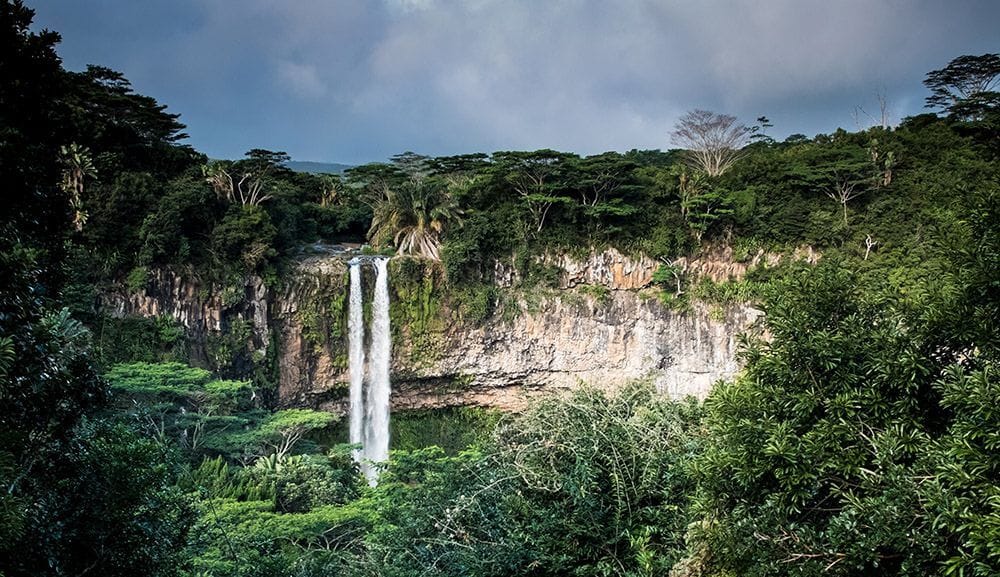
Spanning over 6,700 hectares, Black River Gorges National Park is the island’s largest protected area and the primary lungs of Mauritius. This isn’t just a park; it’s a sanctuary for the island’s remaining native forests. For hikers, it offers over 60 kilometers of trails ranging from gentle strolls to grueling climbs.
- Macchabée Trail: A popular choice that leads you to a ridge viewpoint offering a 360-degree sweep of the canyon and the distant coastline.
- Wildlife Spotting: Keep your binoculars ready for the Echo Parakeet or the Mauritius Kestrel, species that were once on the brink of extinction.
The experience here is immersive. The air is cooler, scented with damp earth and wild guava. You can find more information on trail maps and conservation efforts at the National Parks and Conservation Service official portal.
Scaling Le Morne Brabant: A UNESCO Hike with a Story
Rising 556 meters above the sea, Le Morne Brabant is more than a mountain; it is a monument to freedom. As a UNESCO World Heritage site, it served as a refuge for runaway slaves (maroons) in the 18th and early 19th centuries. Today, the hike up its slopes is a rite of passage for adventure seekers.
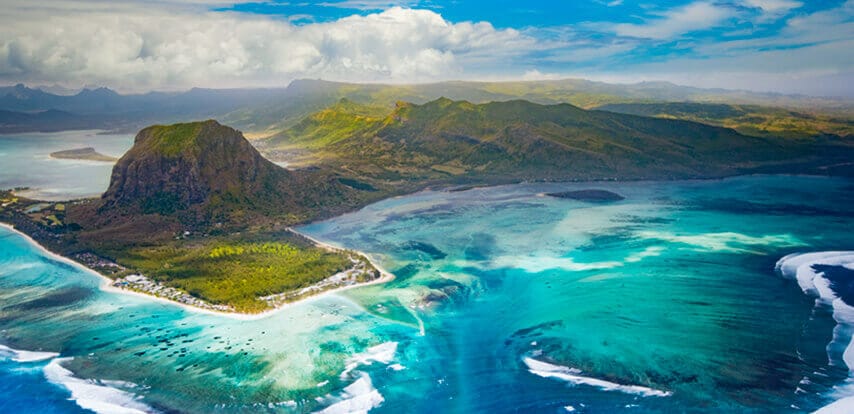
The trek is divided into two parts: a moderately steep walk followed by a more technical scramble near the summit. The reward for your physical exertion is arguably the most famous view in the Indian Ocean—the “Underwater Waterfall.” This stunning optical illusion, caused by sand and silt deposits on the ocean floor, is best appreciated from these heights. You can locate the trailhead via Google Maps to plan your early morning ascent.
Chamarel Seven Coloured Earth and the 100-Meter Waterfall
The village of Chamarel is a concentrated hub of geological wonders. The primary attraction is the Seven Coloured Earth, a series of sand dunes where the volcanic soil has settled into distinct layers of purple, red, violet, and yellow.
Adjacent to the dunes is the Chamarel Waterfall, which plunges roughly 100 meters over a basalt cliff. In 2026, the park has enhanced its sustainable observation decks, allowing visitors to capture the perfect shot of the St. Denis River’s descent without disturbing the fragile surrounding flora. It is a masterclass in how nature can be both colorful and powerful at once.
Encountering Endemic Wildlife at Île aux Aigrettes
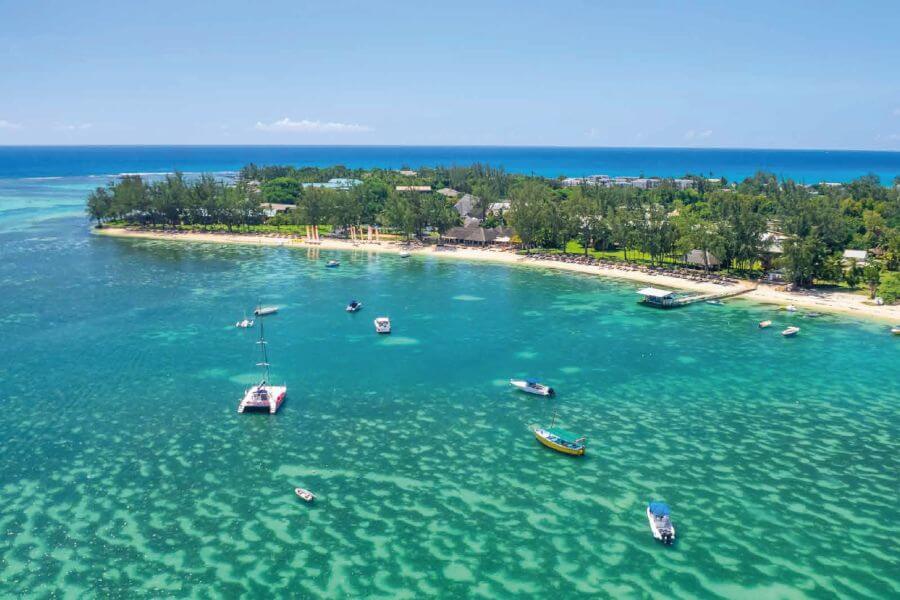
Just off the southeast coast lies Île aux Aigrettes, a tiny coral island that serves as a living laboratory. Managed by the Mauritian Wildlife Foundation, this reserve is a glimpse into what Mauritius looked like before human settlement.
What to expect:
- The Pink Pigeon: Once down to only nine individuals in the wild, this bird is now a conservation success story you can see hopping through the branches.
- Aldabra Giant Tortoises: These prehistoric-looking residents roam freely, acting as natural “gardeners” for the island’s ebony trees.
Adventure Activities: From Quad Biking to Ziplining in Ebony Forest
If you prefer your nature with a side of adrenaline, the Ebony Forest Reserve in Chamarel is the place to be. This project isn’t just about fun; it’s a massive restoration effort where thousands of native trees have been replanted.
For those who want to cover more ground, quad biking through the muddy tracks provides a thrilling way to see the transition from scrubland to dense canopy. Alternatively, ziplining across the forest valleys offers a bird’s-eye view of the restoration progress. It’s an ideal way to support sustainable tourism while getting your heart racing.
Tamarind Falls: The Ultimate 7 Cascades Trekking Experience
Commonly known as “Les 7 Cascades,” the Tamarind Falls trek is perhaps the most exhilarating canyoning and hiking experience on the island. Located in the central plateau, this series of seven waterfalls follows the Tamarind River through a deep, green gorge.
The trail is challenging, often requiring you to scramble over rocks and navigate slippery paths behind the curtains of water. Professional guides are highly recommended for this route, as the weather can change quickly and the terrain is unforgiving. Standing at the foot of the largest fall, feeling the misty spray on your face, is a moment of pure, raw connection with the island’s volcanic origins.
Is Mauritius good for hiking?
Absolutely. While famous for beaches, Mauritius features a rugged interior with over a dozen significant peaks and three distinct mountain ranges. The trails are well-maintained in national parks like Black River Gorges and offer varying levels of difficulty for everyone from casual walkers to experienced mountaineers.
What is the best time of year to hike in Mauritius?
The best time for hiking is during the cool, dry season from May to October. During these months, temperatures are milder (between 18°C and 24°C), and the risk of rainfall is lower, which makes the trails less slippery and the humidity more manageable.
Do I need a guide for hiking in Mauritius?
For popular trails like the first half of Le Morne or the main paths in Black River Gorges, you can hike independently. However, for technical treks like Tamarind Falls or the summit of Pieter Both, a certified local guide is essential for safety and to learn about the unique biodiversity of the area.
Conclusion and Final Travel Tip
Mauritius is evolving. It is no longer just a “fly and flop” destination but a playground for those who seek adventure and ecological depth. By venturing into the mountains and forests, you aren’t just seeing a different side of the island; you are supporting the vital conservation efforts that keep this ecosystem alive.
Traveler’s Tip: When planning your hikes, always start your day early (before 8:00 AM). The tropical sun becomes intense by midday, and clouds often settle over the peaks in the afternoon, potentially obscuring those legendary panoramic views.