



For decades, the “perfect” summer vacation was synonymous with the scorching sun of the Mediterranean, the 40°C heat of the Costa del Sol, or the humid intensity of the Greek Islands. However, Summer 2026 marks a definitive shift in global travel trends. As heatwaves become more frequent and intense across Southern Europe, a new generation of travelers—dubbed “Cool-cationers”—is turning their gaze northward.
Article summary
- The Scottish Caribbean: The Wild Beauty of the Hebrides
- Estonia’s Baltic Riviera: Pine Forests and Secret Sands
- Why are “Cool-cations” trending in 2026?
- Are the beaches in Scotland warm enough for swimming?
- Is Estonia expensive for a summer beach holiday?
- How do I get to the Outer Hebrides?
- What to Pack for a Low-Temp Beach Summer
- Conclusion: A Breath of Fresh Air
The allure is simple: pristine white sands, turquoise waters, and breathtaking coastal scenery, all enjoyed at a refreshing 18°C to 23°C. This year, two unexpected regions have emerged as the ultimate refuges for those fleeing the canicular heat: the rugged Outer Hebrides in Scotland and the serene, pine-fringed shores of Estonia. Here is why these “under 25-degree” beaches are winning the hearts of travelers this season.
The Scottish Caribbean: The Wild Beauty of the Hebrides
If you were to see a photo of Luskentyre Sands on the Isle of Harris without a caption, you might mistake it for the Maldives. The water is a brilliant, crystalline turquoise, and the sand is a powdery, blinding white. The only difference? You won’t be dripping in sweat the moment you step outside.
The Outer Hebrides offer a visceral connection to nature that overcrowded southern resorts simply cannot match. In 2026, the demand for Isle of Lewis and Harris has surged by 40%, driven by travelers seeking “active wellness.” Instead of melting on a sunbed, visitors here are hiking coastal trails, dry-robe swimming, and kitesurfing in the Atlantic breeze.
- Luskentyre and Seilebost: Renowned for their vast tidal expanses and views of the North Harris mountains.
- Barra’s Traigh Mhòr: Famous for being the only beach in the world used as a scheduled flight runway—find the flight times via Barra Airport’s official site.
- Vatersay Bay: A sheltered cove perfect for paddleboarding without the risk of heat exhaustion.
The charm of the Hebrides lies in its unpredictability and raw aesthetics. You might experience four seasons in one day, but when the sun breaks through the clouds over the Minch, the light quality is a photographer’s dream, far surpassing the hazy, smog-filled horizons of heat-stricken cities.
Estonia’s Baltic Riviera: Pine Forests and Secret Sands
On the other side of Northern Europe, Estonia is redefining the beach experience with a blend of Nordic minimalism and wild Baltic charm. While the Mediterranean struggles with water shortages, Estonia’s coastline remains lush, green, and vibrant. The air is filtered through vast coastal pine forests, creating a natural aromatherapy session for every visitor.
The standout star of 2026 is Matsi Beach (Matsi rand). Located in Pärnu County, this is the antithesis of a commercial beach. There are no rows of plastic umbrellas; instead, you’ll find ancient pines reaching almost to the water’s edge and soft dunes that offer natural privacy. It is the perfect spot for “slow travel,” where the primary activities are berry picking in the woods and watching the sunset over the Baltic Sea at 10:00 PM.
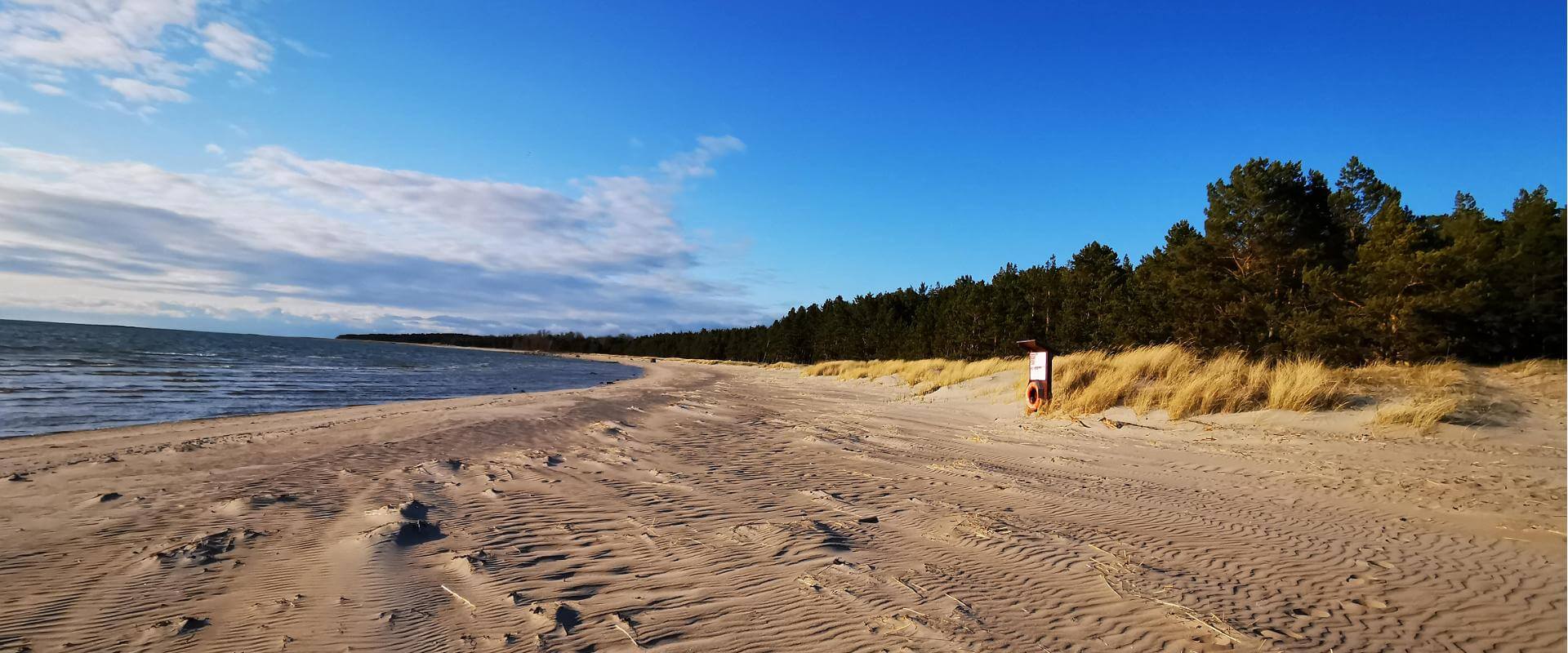
For those who want a bit more infrastructure without the 35°C temperatures, the “Summer Capital” of Pärnu offers shallow, warming waters and a vibrant culinary scene. However, the trend for 2026 is moving toward the islands of Saaremaa and Hiiumaa, where the beaches are silent, the sheep roam free, and the temperature rarely exceeds a comfortable 22°C.
Why are “Cool-cations” trending in 2026?
The rise of these destinations isn’t just a fluke; it’s a calculated response to climate shifts and overtourism. Travelers are increasingly prioritizing “Thermal Comfort.” When the ambient temperature stays under 25°C, the human body remains in a state of ease, allowing for better sleep, more energy for exploration, and a significantly lower risk of dehydration or heatstroke.
Furthermore, these northern destinations offer “Empty Space Luxury.” In an era where popular beaches in Italy or Spain require reservations weeks in advance, the vast stretches of the Estonian coast or the Scottish Isles provide a sense of freedom and solitude that is becoming the true currency of high-end travel.
Are the beaches in Scotland warm enough for swimming?
While the air temperature is pleasant, the water in the Hebrides remains brisk, usually ranging between 12°C and 14°C. Most travelers in 2026 embrace “cold water therapy” or wear lightweight 3mm wetsuits for longer sessions. The health benefits of cold-water immersion have significantly boosted the popularity of these spots.
Is Estonia expensive for a summer beach holiday?
Compared to the skyrocketing prices of the French Riviera or Ibiza, Estonia remains highly affordable. While prices in Tallinn have risen, coastal areas like Matsi or the islands offer excellent value for money, especially regarding boutique guesthouses and local organic cuisine.
How do I get to the Outer Hebrides?
You can reach the islands via internal flights from Glasgow or Edinburgh, or by taking the CalMac ferries from Ullapool or Uig. For schedules and booking, check the Caledonian MacBrayne official website.

What to Pack for a Low-Temp Beach Summer
Trading your bikini for a windbreaker? Not quite. You’ll still need your swimwear, but the “2026 Northward Kit” looks a little different:
- Layering is Key: Merino wool base layers for the evenings and breathable linen for the daytime.
- High-SPF Sunscreen: Don’t be fooled by the breeze; the UV index in the clear northern air can still be high.
- Quality Rain Shell: Especially for Scotland, a lightweight, waterproof jacket is essential.
- Sturdy Sand-to-Trail Shoes: These destinations encourage walking, so ditch the flimsy flip-flops for something with grip.
Conclusion: A Breath of Fresh Air
The shift toward the Hebrides and the Estonian coast isn’t just about escaping the heat; it’s about reclaiming the joy of the outdoors. In 2026, luxury is no longer defined by how high the thermometer climbs, but by the clarity of the water, the silence of the dunes, and the ability to breathe deeply in the cool morning air.
Pro Tip: If you’re planning a trip to the Hebrides, book your ferry and accommodation at least six months in advance. The “Cool-cation” trend is no longer a secret, and these fragile ecosystems have limited capacity to ensure they remain as pristine as you found them.