


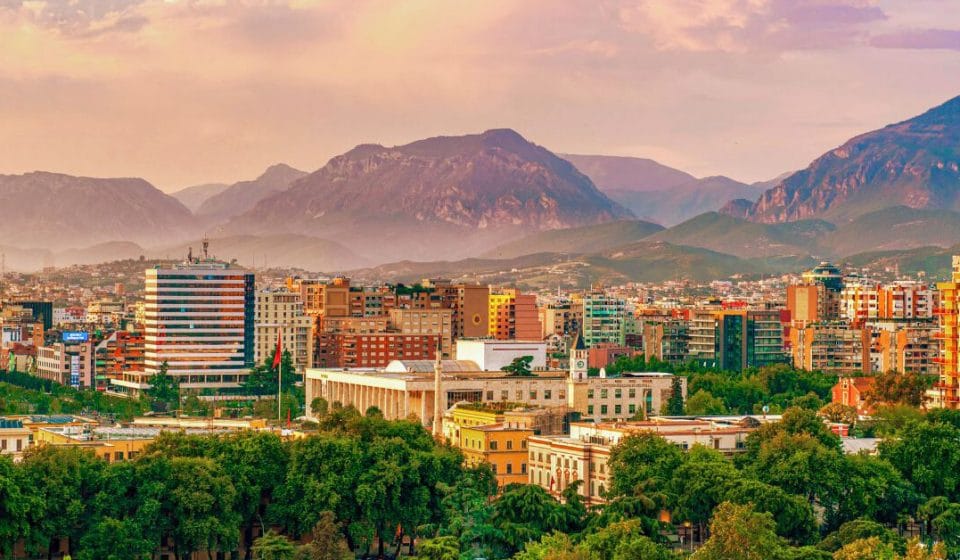
Tirana is having a moment. Once a symbol of rigid, gray isolation, the Albanian capital has exploded into a kaleidoscopic hub of art, culture, and surprising energy. To truly understand this transformation, you can’t just tick off landmarks; you have to dive into its vibrant neighborhoods. Discover how to *live like a local in Tirana*, where every painted facade tells a story of resilience and creativity.
Article summary
- From Gray to Rainbow: The Story of Edi Rama’s Painted Buildings
- Blloku District: From Forbidden Zone to Coffee Culture Hub
- Exploring the Vibrant Street Art Scenes Beyond the Center
- The Social Heart of the City: Pazari i Ri and Local Flavors
- Finding Peace and Views at the Grand Park of Tirana
- The Pyramid of Tirana: A Brutalist Monument Reimagined
- How many days are enough in Tirana?
- Is Tirana safe for tourists?
- Is Tirana expensive?
From the chic cafes of a once-forbidden district to the sprawling murals that turn alleyways into art galleries, Tirana invites you to slow down and embrace the rhythm of everyday life. This isn’t just a sightseeing trip; it’s an immersion into a city that has masterfully reimagined itself.
From Gray to Rainbow: The Story of Edi Rama’s Painted Buildings
The visual centerpiece of Tirana’s transformation is undoubtedly its buildings. The story begins in 2000 with Edi Rama, then-mayor and an artist himself. Inheriting a city defined by grim, crumbling communist-era concrete, Rama saw an opportunity for radical change. He didn’t just propose cosmetic repairs; he ordered the facades to be painted in vivid, abstract, and often clashing patterns: vibrant reds, deep blues, electric oranges, and geometric designs.

This bold move was more than just aesthetic; it was a psychological shift. The colors symbolized hope, creativity, and a break from a monolithic past. While some buildings are now weathered, this initiative kickstarted a broader movement of urban revitalization. Walking through neighborhoods today, you’re not just looking at paint; you’re seeing the first strokes of modern Tirana. You can see a great example of this around Skanderbeg Square.
Blloku District: From Forbidden Zone to Coffee Culture Hub
Perhaps nowhere is Tirana’s change more palpable than in Blloku. For decades, this central neighborhood was the exclusive playground of the Communist Party elite, closed off to ordinary Albanian citizens by guards. Now, it has completely flipped, becoming the city’s heart of nightlife, fashion, and sophisticated cafes.
Blloku is the quintessential place to master the art of coffee drinking like a local. Albanians take their coffee seriously, and in Blloku, you’ll find everything from sleek Italian espresso bars to creative spaces where the youth gather. Spend a morning sipping macchiatos at places like Radio Bar Tirana or Nouvelle Vague, people-watching as the city’s trendiest residents move about. This is where the old Albania is most visibly and vibrantly met by the new.
Exploring the Vibrant Street Art Scenes Beyond the Center
Tirana’s color doesn’t end with Rama’s painted buildings. The city has become an open-air canvas for world-renowned street artists, thanks in part to initiatives like the **MurAL Fest Tirana**. Beyond the main squares, hidden down quiet alleys and plastered across massive residential buildings, you’ll find incredible murals that tell stories of modern life, local legends, and global issues.
Hunting for street art is a great way to discover lesser-known pockets of the city. Keep an eye out for works by artists like Case Maclaim or Wild Drawing. This organic art scene is constantly evolving, turning a simple walk into a treasure hunt for urban expression and making Tirana feel truly alive. You can often spot these murals in areas like Selita or along the roads leading away from the center.
The Social Heart of the City: Pazari i Ri and Local Flavors
For a true local experience, head to Pazari i Ri (the New Bazaar). Recently renovated, this vibrant market is a perfect blend of tradition and modernity. While the central structure features a striking futuristic design, the market within is bustling with classic local energy.

Here, you can:
- Buy fresh produce, local honey, raki, and spices.
- Sip your morning coffee amidst the vendors.
- Sample traditional Albanian snacks like *byrek* (savory pie).
- Enjoy a seafood lunch at one of the surrounding restaurants.
Pazari i Ri is where the community gathers, creating a sensory overload of sights, sounds, and smells that is uniquely Tirana. For more information on visiting Tirana, check out the Official Albania Tourism Website.
Finding Peace and Views at the Grand Park of Tirana
When the urban energy gets too intense, locals retreat to the Grand Park (Parku i Madh). This massive green space in the south of the city centers around an artificial lake and is the lungs of Tirana. It’s the perfect place to experience a central part of Albanian culture: the xhiro.
The xhiro is the traditional evening walk, a time for community members of all ages to socialize, exercise, and relax. Stroll along the lake path, watch families enjoy the playgrounds, or find a quiet spot with views. **Joining the xhiro is a simple yet profound way to feel connected to the people of Tirana.** For the location, see Grand Park on Google Maps.
The Pyramid of Tirana: A Brutalist Monument Reimagined
Standing as a stark reminder of Albania’s complex history, the Pyramid of Tirana has recently undergone a stunning transformation. Originally built as a museum for the former dictator Enver Hoxha, it fell into disrepair after the fall of communism, becoming a favored spot for adventurous locals to climb.

Today, it has been reinvented as a **center for technology and education**, complete with steps built into its sides for public access. Climbing the Pyramid is now a must-do local ritual, offering panoramic 360-degree views of the entire colorful cityscape. It stands as a powerful symbol of Tirana reclaiming its past to build a brighter future.
How many days are enough in Tirana?
While you can see the main sights in a weekend (2-3 days), spending 4-5 days allows you to truly immerse yourself in the neighborhood life, explore the cafe culture, discover the street art, and take a day trip to Dajti Mountain.
Is Tirana safe for tourists?
Yes, Tirana is generally considered very safe for tourists. Petty crime exists, as in any major city, but the overall atmosphere is welcoming and hospitable to visitors. Just use normal travel common sense.
Is Tirana expensive?
Compared to most Western European capitals, Tirana is very affordable. Food, coffee, transportation, and accommodation are significantly cheaper, making it a great destination for budget-conscious travelers looking for a unique European experience.
A Final Useful Tip: Embrace the avash-avash (slowly-slowly) approach. Don’t rush. The best way to *live like a local in Tirana* is to sit back, enjoy your coffee, and let the city’s vibrant, chaotic, and beautiful energy wash over you.