


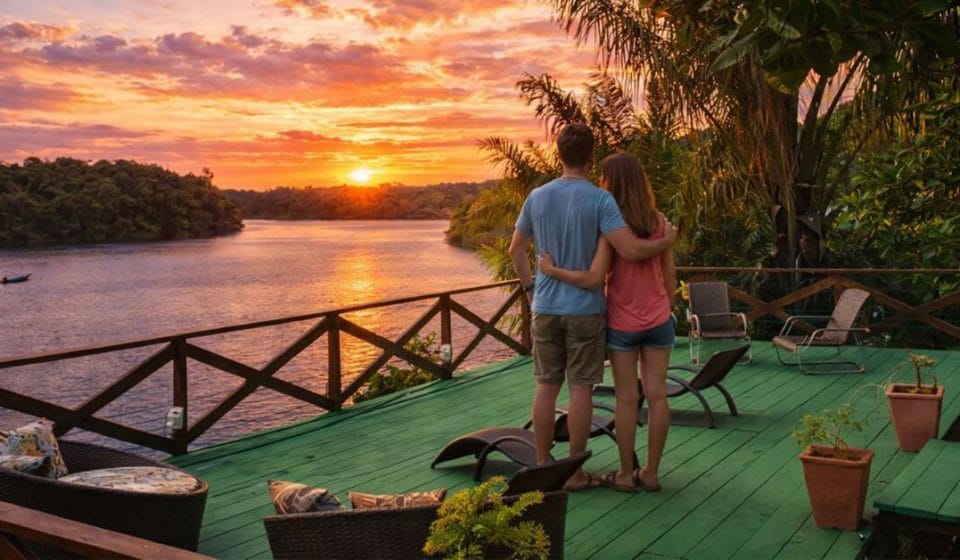
For decades, the Amazon rainforest was the final frontier for the rugged adventurer—a place of hammocks, humidity, and hard-earned sights. However, a seismic shift is occurring beneath the emerald canopy. Brazil is currently witnessing the birth of a new era in travel: high-end eco-tourism. Travelers no longer have to choose between preserving the world’s most vital ecosystem and enjoying the comforts of a world-class hotel. Today, the Brazilian Amazon is home to sophisticated sanctuaries that offer an immersive, guilt-free escape into the wild, proving that true luxury lies in harmony with nature.
Article summary
- The Concept of Barefoot Luxury in the Heart of the Amazon
- High-End Sustainability Architecture That Breathes with the Jungle
- Exclusive Wildlife Encounters with Expert Naturalists
- Gourmet Amazonian Cuisine From Forest to Table
- Holistic Wellness and Ancestral Spa Rituals
- Direct Impact Supporting Indigenous Communities and Reforestation
- What is the best time of year to visit a luxury resort in the Amazon?
- How do I get to remote luxury lodges in Brazil?
- Is it safe to stay in the heart of the Amazon rainforest?
- Conclusion & Pro Traveler Tip
The Concept of Barefoot Luxury in the Heart of the Amazon
The traditional definition of luxury is being rewritten in the heart of Amazonas. Moving away from gold-plated opulence, the new philosophy of “barefoot luxury” prioritizes space, silence, and sensory connection. Imagine waking up in a suite where one wall is entirely glass, offering a panoramic view of the Rio Negro, yet feeling the cool touch of 1,000-thread-count organic cotton linens.
These resorts utilize biomorphic architecture, designed to mimic the natural forms of the forest. The goal is a “trace-less” existence. Guests can enjoy private infinity pools that appear to merge with the river surface, all while knowing the structure was built using fallen wood and sustainable materials. It is an environment where the evening gala is replaced by the orchestral sounds of the jungle, and the most coveted amenity is the absolute privacy of the deep forest.
High-End Sustainability Architecture That Breathes with the Jungle
Building a five-star resort in one of the most humid and remote places on Earth is an engineering marvel. Modern Amazonian eco-lodges, such as those featured on Visit Brasil, are masterclasses in sustainable innovation. To minimize the impact on the delicate rainforest floor, structures are predominantly built on stilts (pylons). This allows the local flora and fauna to circulate freely beneath the guest rooms, maintaining the natural corridors of the ecosystem.
Furthermore, these resorts operate almost entirely off-grid. Key technological features include:
- Advanced Solar Arrays: Harnessing the equatorial sun to power high-efficiency climate control systems.
- Closed-Loop Water Filtration: Utilizing multi-stage aerobic treatment to ensure that every drop of water returned to the river is cleaner than when it was extracted.
- Passive Cooling: Architectural designs that promote natural cross-ventilation, reducing the need for energy-heavy air conditioning.
Exclusive Wildlife Encounters with Expert Naturalists
In the luxury sector, the “concierge” is often a certified biologist or veteran naturalist. The experience moves far beyond simple sightseeing; it is an educational immersion. Guests have access to private canoeing tours at night, using silent electric motors to spot the glowing eyes of caimans or the elusive movement of an ocelot without disturbing the peace of the nocturnal wild.
For many, the ultimate prize is a glimpse of the jaguar. Luxury outposts often collaborate with conservation groups to monitor these apex predators. Through specialized tracking excursions, visitors can participate in citizen science, helping to document sightings while maintaining a respectful distance. This privileged access ensures that your encounter with the Amazon’s biodiversity is intimate, safe, and ethically sound.
Gourmet Amazonian Cuisine From Forest to Table
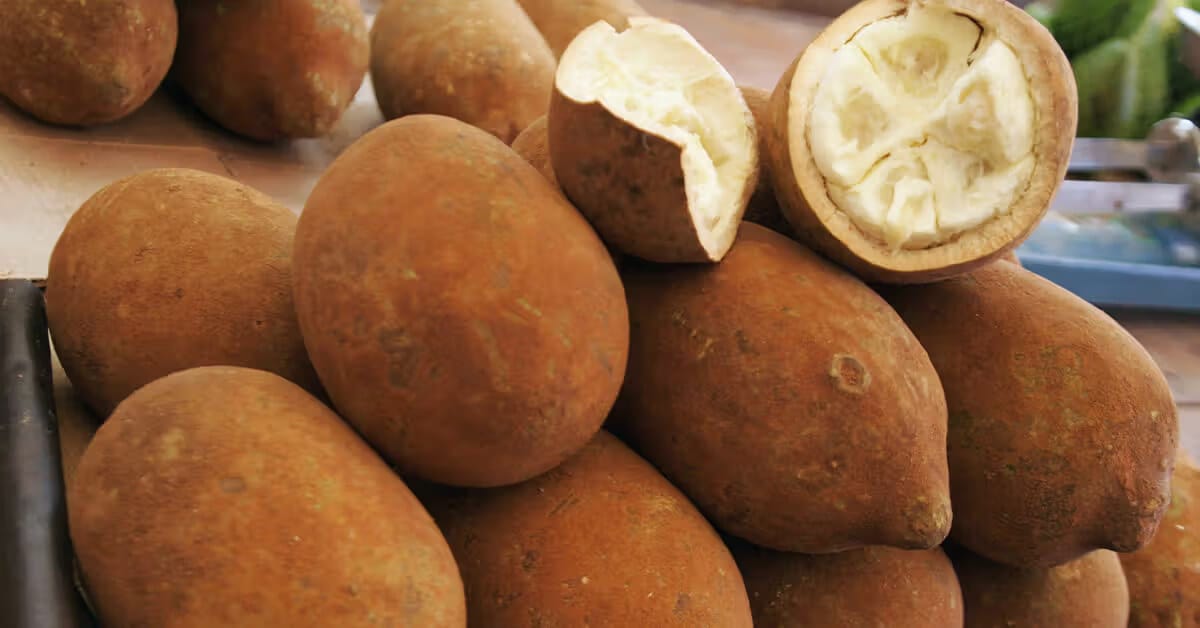
The Amazon is often called the world’s largest pantry, and luxury resorts are finally unlocking its culinary potential through sustainable fine dining. Meticulously curated tasting menus transform indigenous ingredients into Michelin-worthy plates. This “Forest to Table” approach isn’t just about freshness; it’s about discovering flavors that exist nowhere else on the planet.
Guests can expect to encounter:
- Pirarucu: One of the world’s largest freshwater fish, served as a delicate crudo or grilled to perfection.
- Cupuaçu and Bacuri: Exotic fruits that create rich, creamy desserts with complex acidity.
- Lemon Ants: A traditional indigenous delicacy used by high-end chefs to add a surprising citrus burst to contemporary dishes.
By sourcing directly from local gatherers, these resorts support the “standing forest” economy, proving that the jungle is worth more alive than cleared.
Holistic Wellness and Ancestral Spa Rituals
The sounds of the Amazon—the rhythmic rainfall and the distant call of howler monkeys—provide a natural soundtrack for holistic healing. Wellness centers in these resorts have moved away from synthetic products, opting instead for oils and balms extracted from Andiroba and Copaíba trees, known for their anti-inflammatory properties.
Many spas offer rituals inspired by ancestral indigenous traditions. These might include smoke cleansing ceremonies, clay wraps sourced from river deposits, or hydrotherapy in natural forest pools. It is a deep, spiritual relaxation that aligns your internal rhythm with the pulse of the rainforest, providing a sanctuary for the mind as much as the body.
Direct Impact Supporting Indigenous Communities and Reforestation
Perhaps the most luxurious feature of these resorts is the peace of mind that comes from transparent sustainability. A significant portion of booking fees is often channeled directly into local social programs. This model ensures that the guardians of the forest—the indigenous and ribeirinho communities—receive fair wages, healthcare, and education.
Many lodges now utilize satellite monitoring technology to protect their private reserves from illegal logging, effectively creating a “buffer zone” of safety. According to World Wildlife Fund (WWF) guidelines, responsible tourism is one of the most effective tools for reforestation, as it provides a financial incentive for locals to protect the trees rather than cut them down.
What is the best time of year to visit a luxury resort in the Amazon?
The “High Water” season (March to August) is ideal for boat exploration and seeing the forest at its lushest, while the “Low Water” season (September to February) reveals white sand river beaches and is excellent for spotting caimans and birds. Both offer unique luxury experiences.
How do I get to remote luxury lodges in Brazil?
Most high-end resorts are accessed via Manaus (MAO). From there, guests are typically transported via private seaplane or high-speed boat. You can view the gateway to the jungle on Google Maps to understand the scale of the journey.
Is it safe to stay in the heart of the Amazon rainforest?
Yes. Luxury eco-resorts prioritize guest safety with 24/7 security, professional guides, and on-site medical staff. These lodges are designed to provide a secure environment while maintaining a close connection to nature.
Conclusion & Pro Traveler Tip
The rising luxury eco-resorts of the Brazilian Amazon prove that we can enjoy the world’s most spectacular wonders without leaving a scar upon them. By choosing lodges that prioritize biomorphic design, local empowerment, and radical sustainability, your vacation becomes a powerful act of conservation.
Useful Tip: When packing for the Amazon, skip the heavy perfumes and scented lotions. They can attract unwanted insects and interfere with the delicate scents of the jungle. Instead, embrace the local, biodegradable repellents provided by your resort—they are better for you and the environment!